Follow us:

Best Vegetables to Grow for Beginners

Choosing the right vegetables to grow can make the difference between a frustrating first season and a garden that gives you something useful to eat.

If you are new to growing food, the best vegetables are not always the biggest, rarest or most impressive crops. The best vegetables to grow are usually the ones that suit your space, grow reliably, give visible progress and help you build confidence. You do not need a large allotment to begin. A small garden, raised bed, patio, balcony, grow bag or group of pots can be enough to start growing vegetables at home. For beginners in the UK, good vegetables to grow include salad leaves, radishes, potatoes, carrots, beetroot, spring onions, peas, runner beans, courgettes, chard, kale, lettuce, onions, tomatoes and herbs. Some grow quickly, some crop heavily and some are useful because they can be picked over several weeks. The aim is simple: grow something you will actually eat, learn from the season and build from there.
The best vegetables to grow for beginners include salad leaves, radishes, potatoes, carrots, beetroot, spring onions, peas, runner beans, courgettes, lettuce, chard, kale, onions, tomatoes and herbs. Start with easy crops that suit your space, whether that is a garden, raised bed, patio, balcony or a few pots.
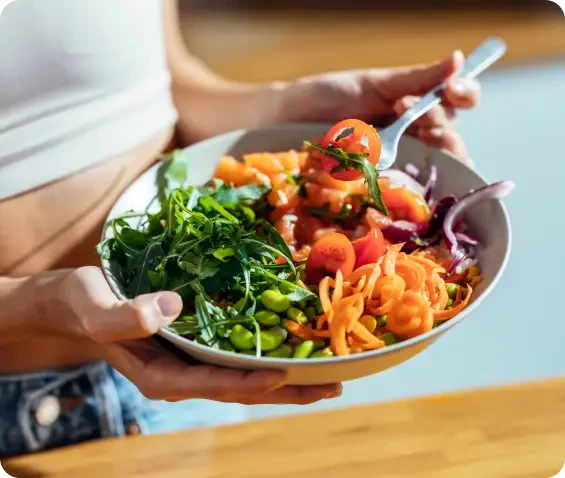
The good news is that there are plenty of vegetables that you can grow in the UK. The easiest is subjective as there are lots of factors to help your crop along. The less pedantic vegetables to grow in the UK include salad leaves, radishes, potatoes, runner beans, courgettes, beetroot, carrots, spring onions, peas, chard, kale and herbs. Beginners should start with crops that grow quickly, suit the British climate and can be grown in beds, pots or containers without specialist equipment.

How to Choose Which Vegetables to Grow

Before choosing vegetables to grow, start with your space.
A sunny garden can support crops such as courgettes, beans, potatoes, tomatoes and beetroot. A raised bed is useful for carrots, salad leaves, radishes, onions, chard and herbs. A patio or balcony can still grow pots of lettuce, spring onions, herbs, potatoes, beetroot and dwarf beans.
The best question is not simply “what can I grow?”
The best questions are:
A small, well looked after growing space will usually do better than a large patch that becomes overwhelming.

Best Vegetables to Grow in Your Garden

If you have a garden, the best vegetables to grow are not necessarily the easiest. For the beginner setups you want to head to our easiest vegetables to grow page.
Some crops are worth growing because they produce huge quantities. Others are worth the space because they taste dramatically better when freshly picked. Some climb vertically, some return every year, and some help pollinators while also giving you something edible.
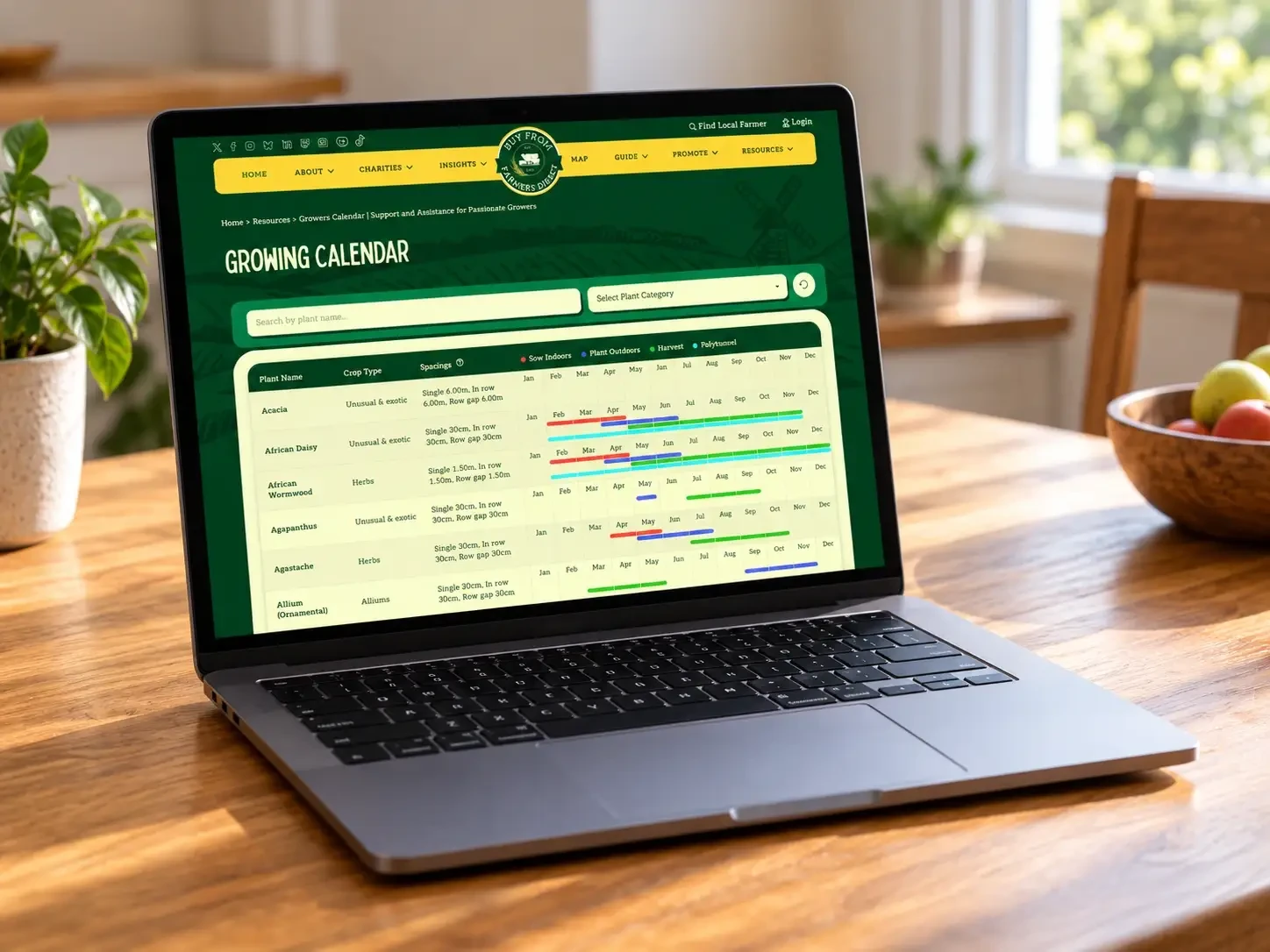
A productive food garden can contain vegetables, herbs, fruiting crops and edible flowers together. If you are not familiar with companion planting it may also be worth looking over our companion planting tips in our resources.
The aim should be to make every part of the garden work harder.

TRY OUR PLANTING TOOL TO ORGANISE YOUR GARDEN

The Best Vegetables to Grow For Your Garden

1. Tomatoes

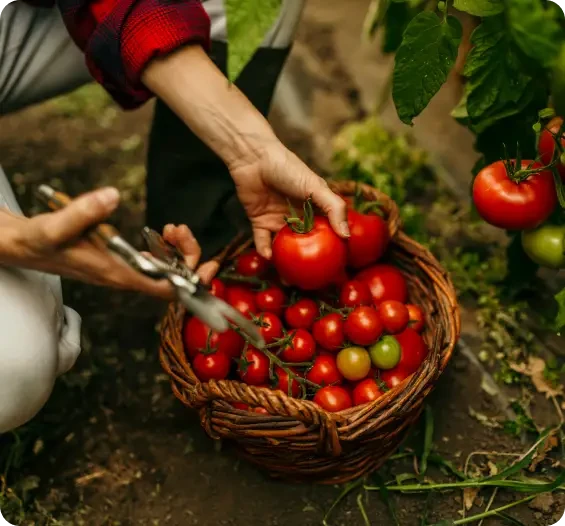
Tomatoes deserve space because freshly picked tomatoes can be completely different from supermarket fruit. They work in pots, grow bags, greenhouses and sunny borders.
Choose cherry tomatoes if you want heavy cropping and easy picking, or larger varieties if you want slicing and cooking tomatoes.

2. Courgettes

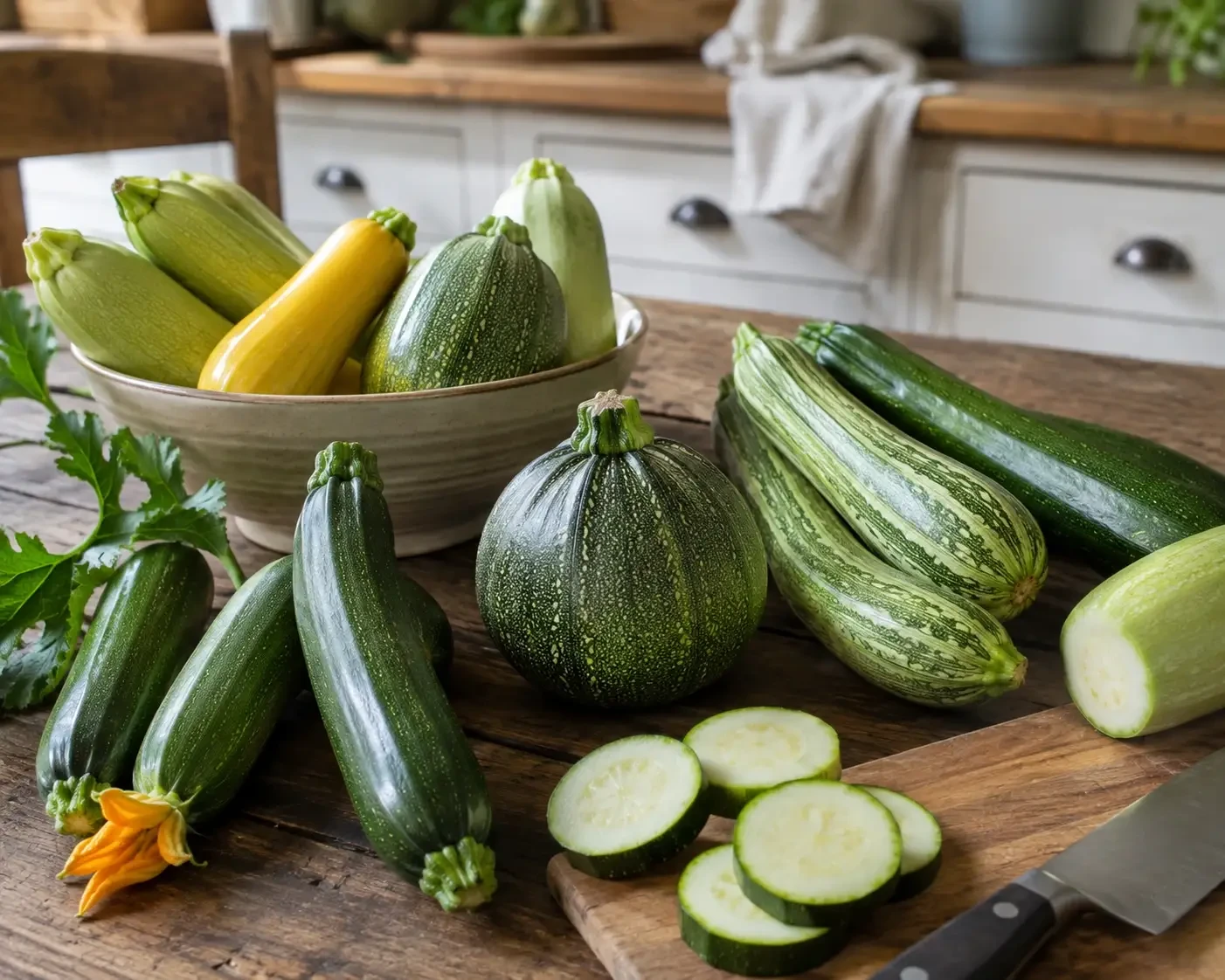
Courgettes are one of the most productive plants you can put into a garden.
A couple of healthy plants can produce enough courgettes for a household through much of summer. They are also useful because the flowers are edible.

3. Runner Beans

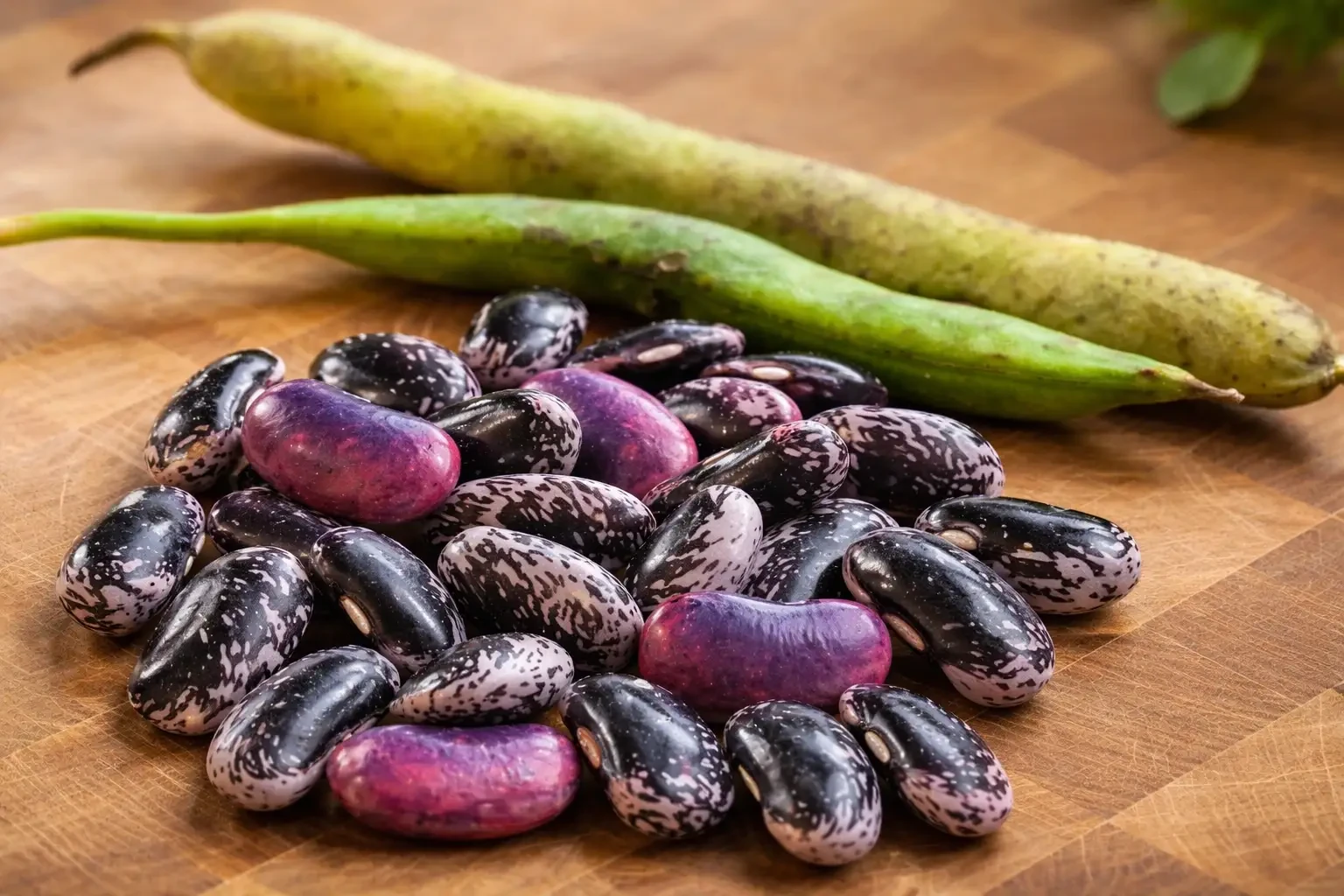
Runner beans are ideal for gardens because they are another crop that likes to grow upwards instead of taking over valuable ground space.
They also produce attractive flowers and can crop heavily when picked regularly. A simple cane structure can turn a narrow strip of garden into a productive food growing area.

4. Swiss Chard

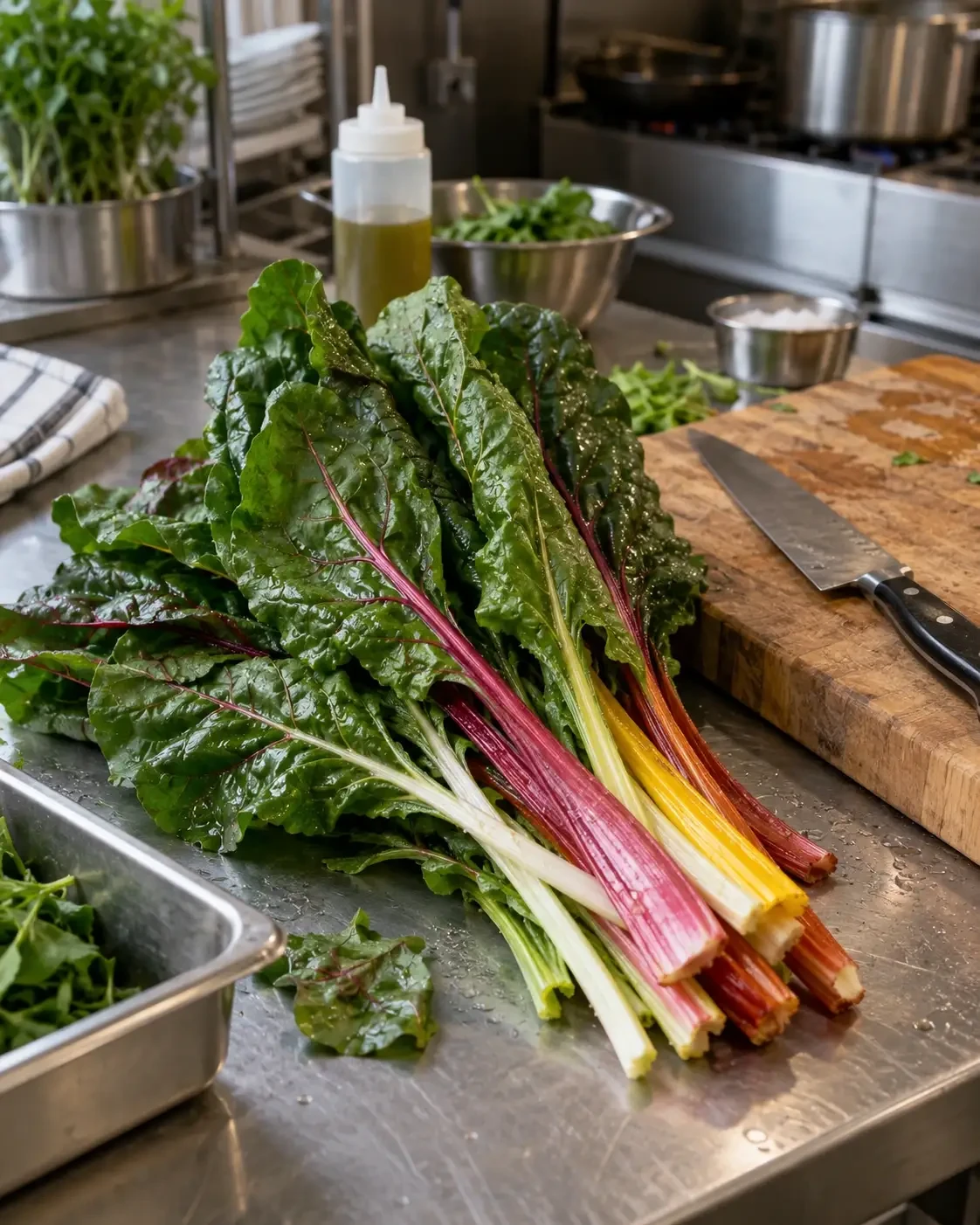
Chard is one of the most underrated garden vegetables. A few plants can provide leaves for months, and colourful varieties can look good enough to grow among ornamental plants.
Rather than harvesting the whole plant, remove outer leaves and let it continue producing.

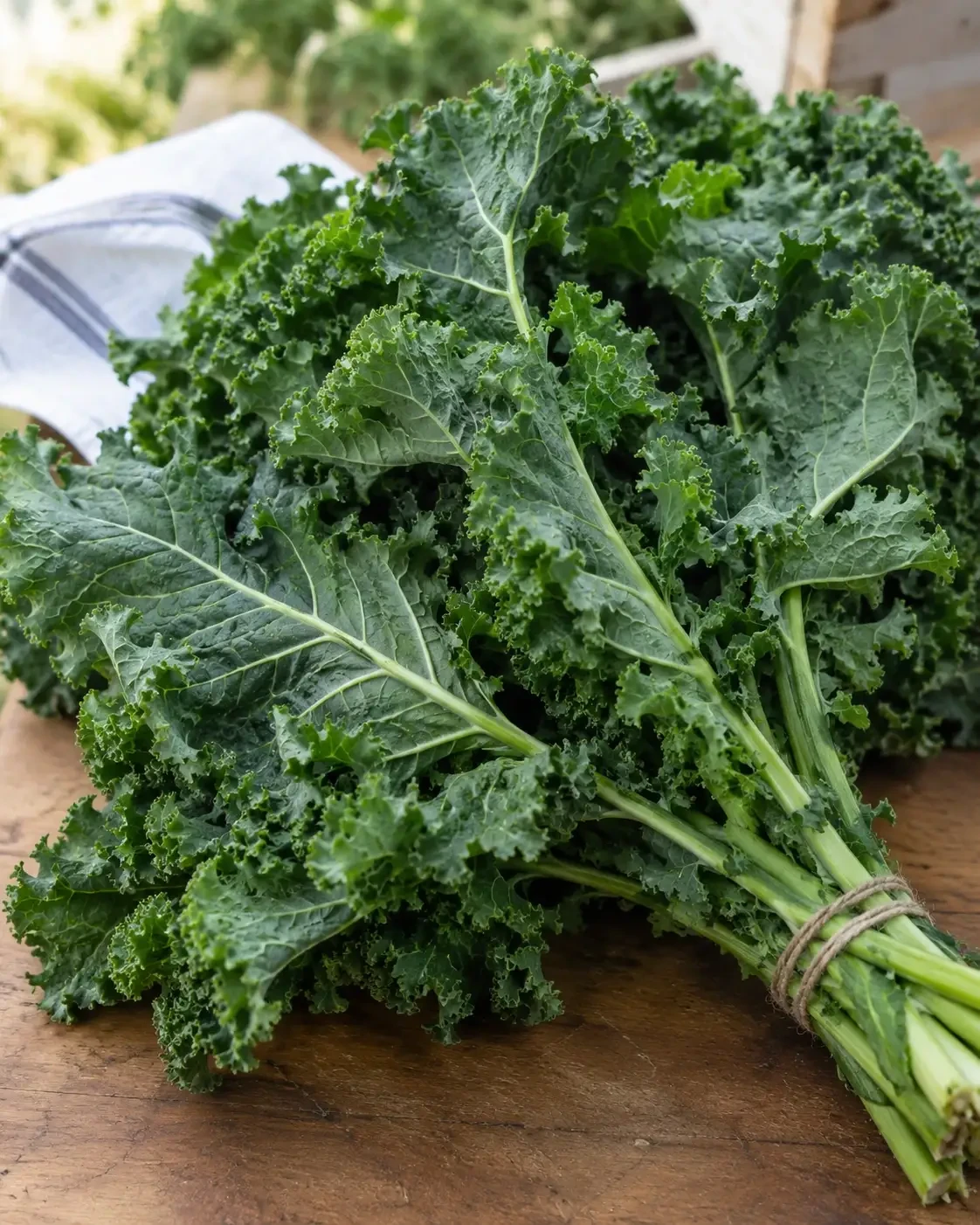
5. Kale

Kale is particularly valuable because it keeps producing when many summer crops have finished.
It can provide food through autumn and winter and becomes an important part of a garden designed to produce for more than just the summer months.

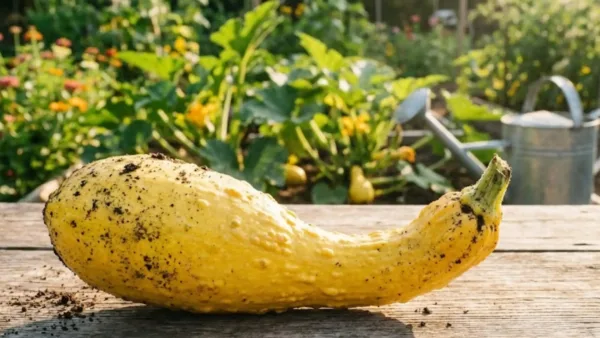
Round and yellow courgette varieties, such as Tondo di Piacenza, Eight Ball, and Gold Rush, are widely considered the most flavourful because they offer a sweeter, nuttier, and more concentrated taste than standard long green types.
6. Garlic
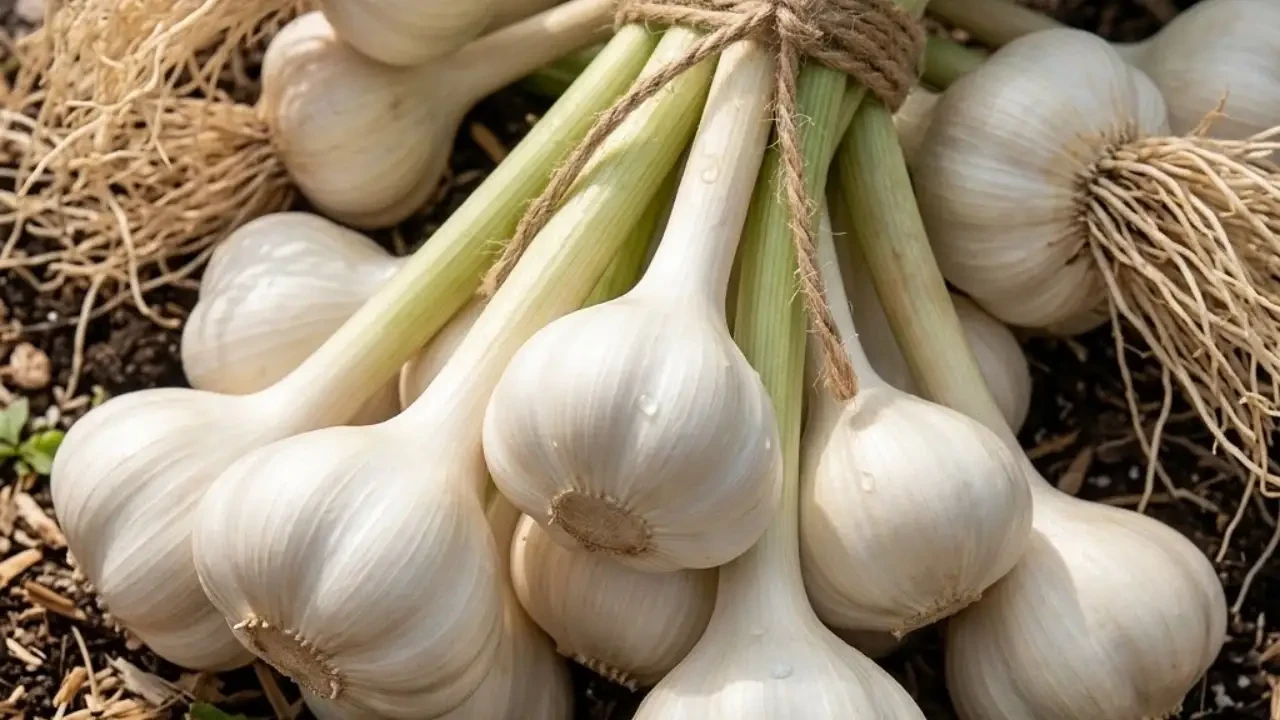
Garlic takes relatively little effort for the amount of kitchen value it provides.
Planting cloves can eventually produce an entire bulb, and garlic takes up comparatively little garden space.
It is particularly useful for households that cook with garlic regularly.

7. Squash

Squash requires space, but one healthy plant can produce several large fruits that store well. Butternut squash, crown prince and other winter squash can provide food long after harvesting.

If you have a compost heap, fence or unused corner, squash can sometimes be allowed to trail through spaces other crops cannot use. Pumpkins are very similar to squash and could well have replaced squash for the spot. For more on how to grow your pumpkins click here.
8. Leeks
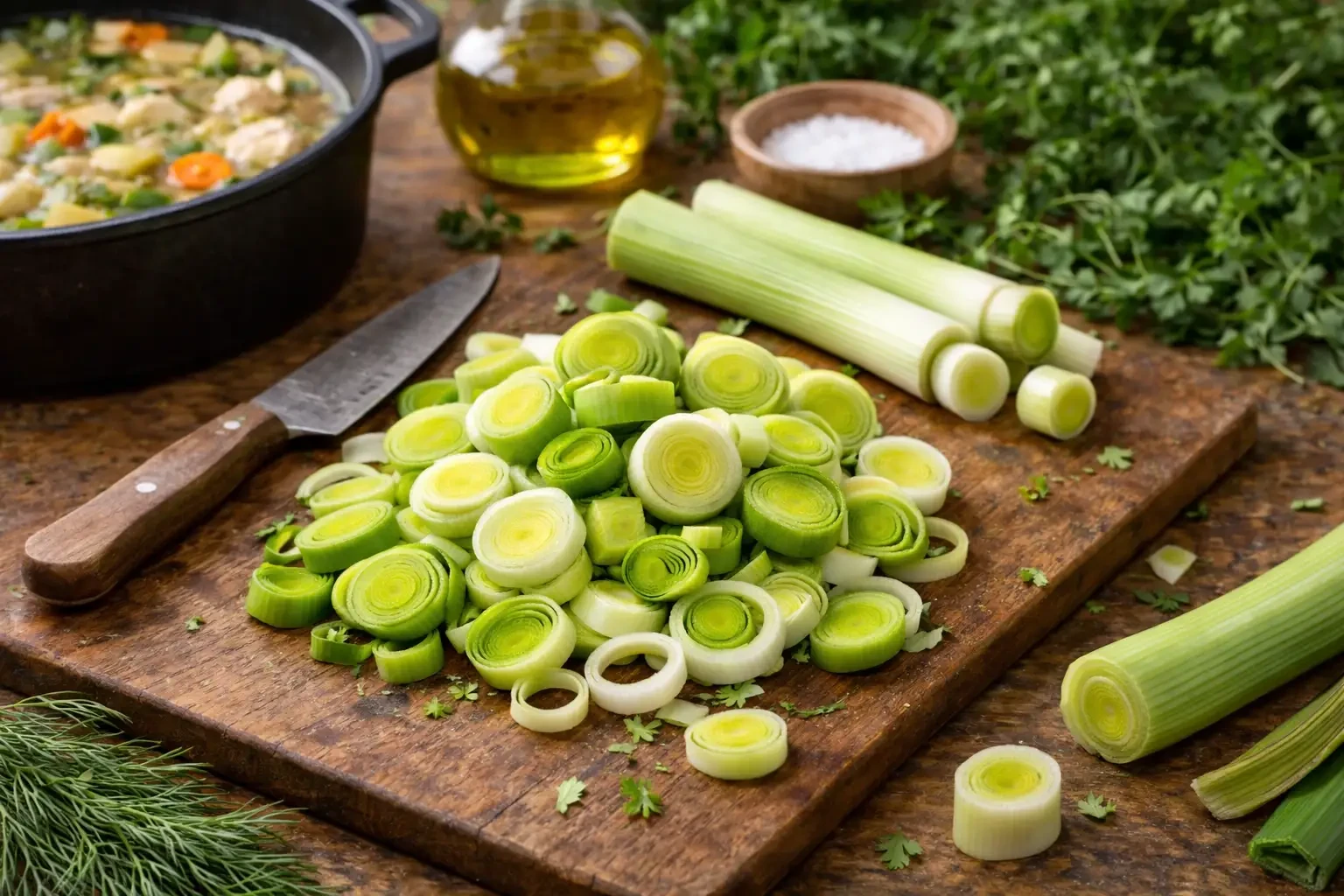
Leeks deserve a place because they occupy the garden when summer crops have disappeared. They can stay in the ground through colder weather and be harvested as needed.
For a genuinely productive British garden, winter vegetables like leeks matter just as much as summer vegetables.

Perennial Vegetables Worth Considering

Asparagus

Asparagus requires patience because the plants need time to establish. Once established, however, an asparagus bed can produce for many years. It is one of the best examples of planting now for future food.

Rhubarb

Rhubarb returns each year and needs relatively little attention once established. A mature crown can produce large amounts of stalks for crumbles, compotes, preserves and desserts.

Globe Artichokes

Globe artichokes are both edible and architectural. They can become large, striking plants that look at home in ornamental borders while producing edible flower buds.

'Good King Henry'

Good King Henry is a traditional perennial vegetable that was once much more common in British gardens and is now making a comeback with growers interested in unusual edible plants. The young shoots can be cooked a little like asparagus, while the leaves can be used in a similar way to spinach once cooked.

READY TO MAKE YOUR ACCOUNT?

Create Your Free Account in 4 simple steps

Do you grow British vegetables?

List your vegetable growing business, market garden, farm shop supply route or British produce range on BFFD and help people understand what you grow, when it is available and how to buy.

Reputable External Sources

Use this for vegetable growing advice

Use this to understand how to grow organic food.

Use this for food business setup and safe operation context.

Use this for allotment guidance.

Use this for starting a food business. 
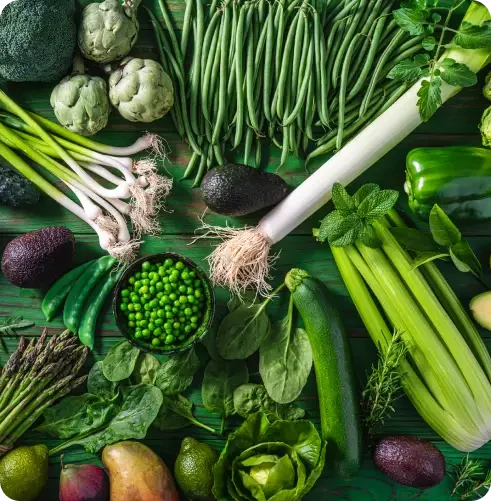
lots of veg on a table

FAQ

What are the best vegetables to grow in a UK garden?
Some of the best vegetables to grow in a UK garden include tomatoes, courgettes, runner beans, climbing French beans, peas, chard, kale, beetroot, garlic, leeks, potatoes and squash. The best choices depend on your available space, sunlight and what you actually enjoy eating.
Vegetables are often most worth growing when they are productive, expensive to buy, noticeably better fresh or difficult to find locally. Tomatoes, fresh herbs, peas, mangetout, salad leaves, courgettes, soft fruit and edible flowers can all offer good value from a relatively small space.
Courgettes, runner beans, climbing French beans, potatoes, tomatoes and squash can all produce substantial harvests when grown in suitable conditions and cared for properly.
Tomatoes, peas, sweetcorn, new potatoes, runner beans, carrots and salad leaves are among the crops that can taste particularly good when freshly harvested.
For small gardens, choose crops that grow vertically or produce repeatedly. Runner beans, climbing French beans, peas, tomatoes, salad leaves, chard, herbs and potatoes in containers are all good options.
Yes. A small garden can grow salad leaves, radishes, potatoes, courgettes, beans, herbs, carrots, beetroot and spring onions if the space gets enough light.
Runner beans, climbing French beans, peas, mangetout, cucumbers and some squash can all be trained upwards using canes, trellis or other supports. Vertical growing is especially useful where garden space is limited.
A productive year round garden can combine summer crops such as tomatoes, beans and courgettes with autumn and winter crops such as kale, chard, leeks, garlic and some hardy salads although it all depends on your growing space.
Start with what you enjoy eating, then consider your garden size, sunlight, soil, watering needs and how much time you have. The best vegetable garden is one filled with crops you will actually harvest and use.

Start Growing Simple Vegetables at Home

You do not need to grow everything to start making a difference. Begin with one pot, one raised bed or one small patch of garden. Grow salad leaves, radishes, potatoes, herbs or beans. Learn from the season, enjoy what works and try again when something fails.