Follow us:

How to Make A pICKLE mix

Making The Perfect Pickle Mix For Your Pantry

Pickle mix can mean a jar of mixed pickled vegetables, a mixed pickle condiment, a pickle jar mix or a pickling spice mix used to flavour vinegar and brines. A good pickle mix can bring crunch, acidity, sweetness, spice or heat to cheese boards, sandwiches, burgers, salads, curries, cold meats, pies, ploughman’s lunches, picnic food and simple everyday meals.
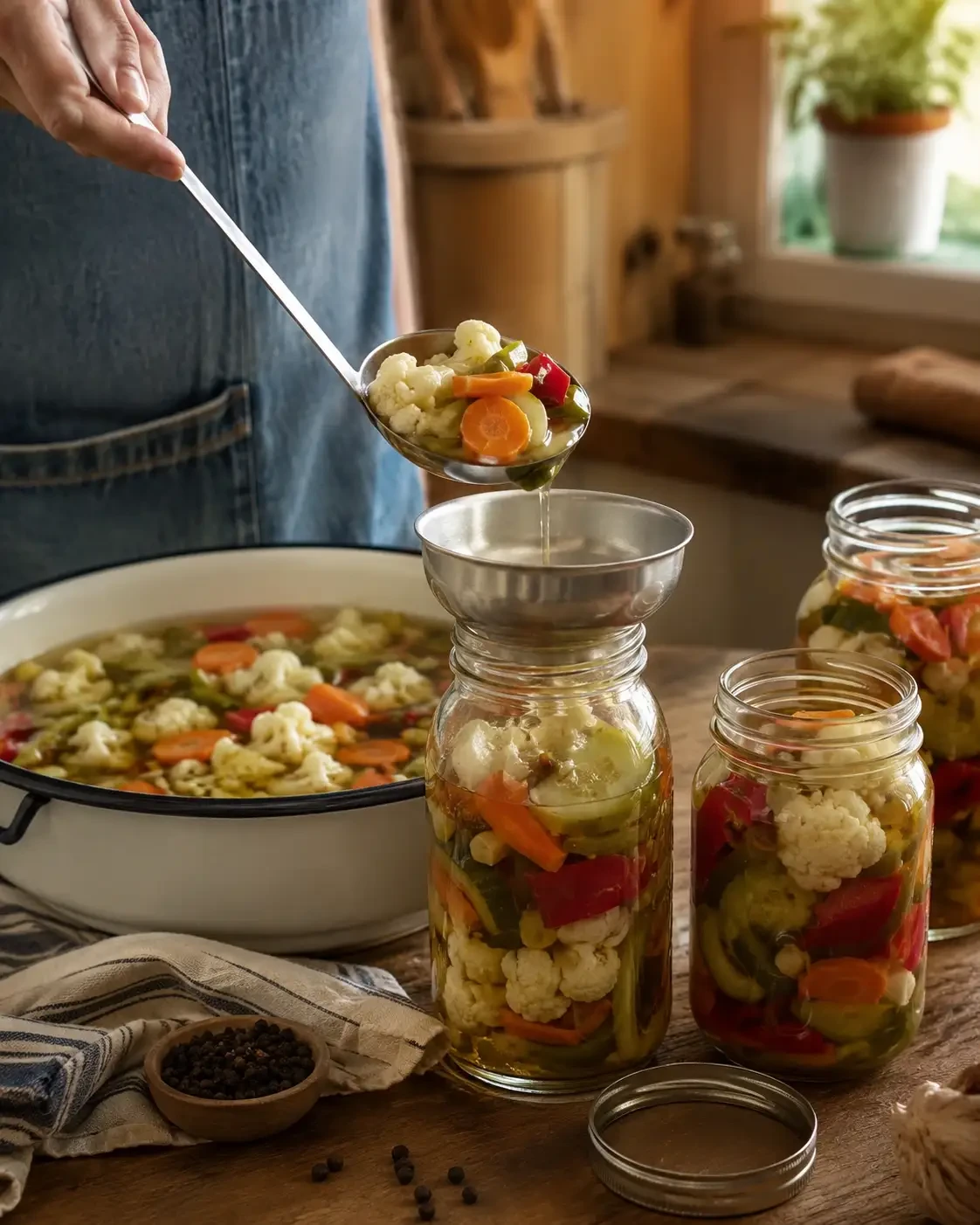
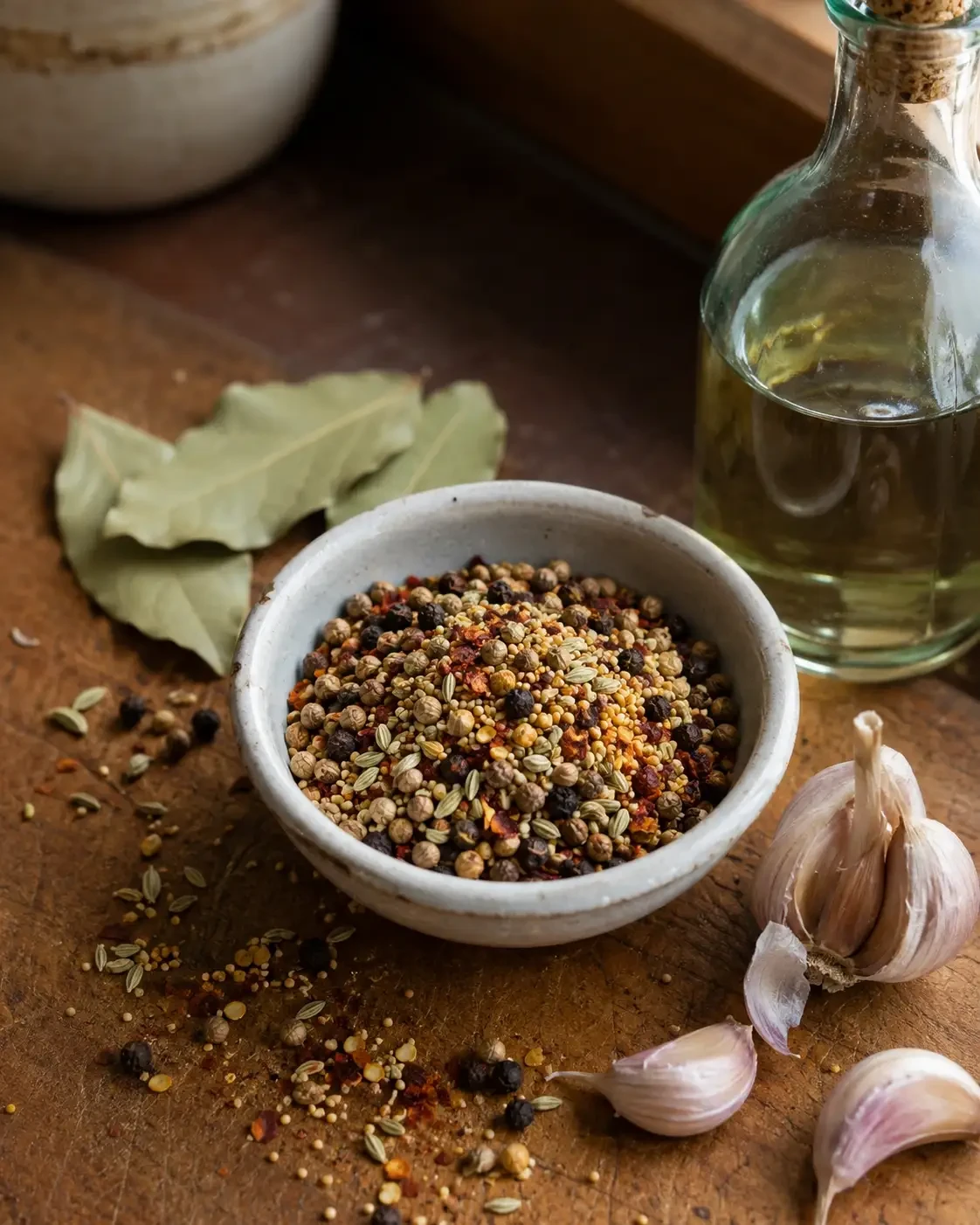
Pickle mix usually refers to either ready to eat mixed pickles, such as jars of pickled vegetables, or a pickling spice mix used to make pickles. Ready to eat pickle mix may include onions, gherkins, cauliflower, carrots, peppers, cabbage, beetroot or other vegetables preserved in vinegar, brine or sauce. Before buying pickle mix, check the ingredients, allergens, spice level, storage instructions, best before or use by guidance, producer details and whether the product is ready to eat or intended for making pickles.

A Classic Pickle Mix

Ingredients:

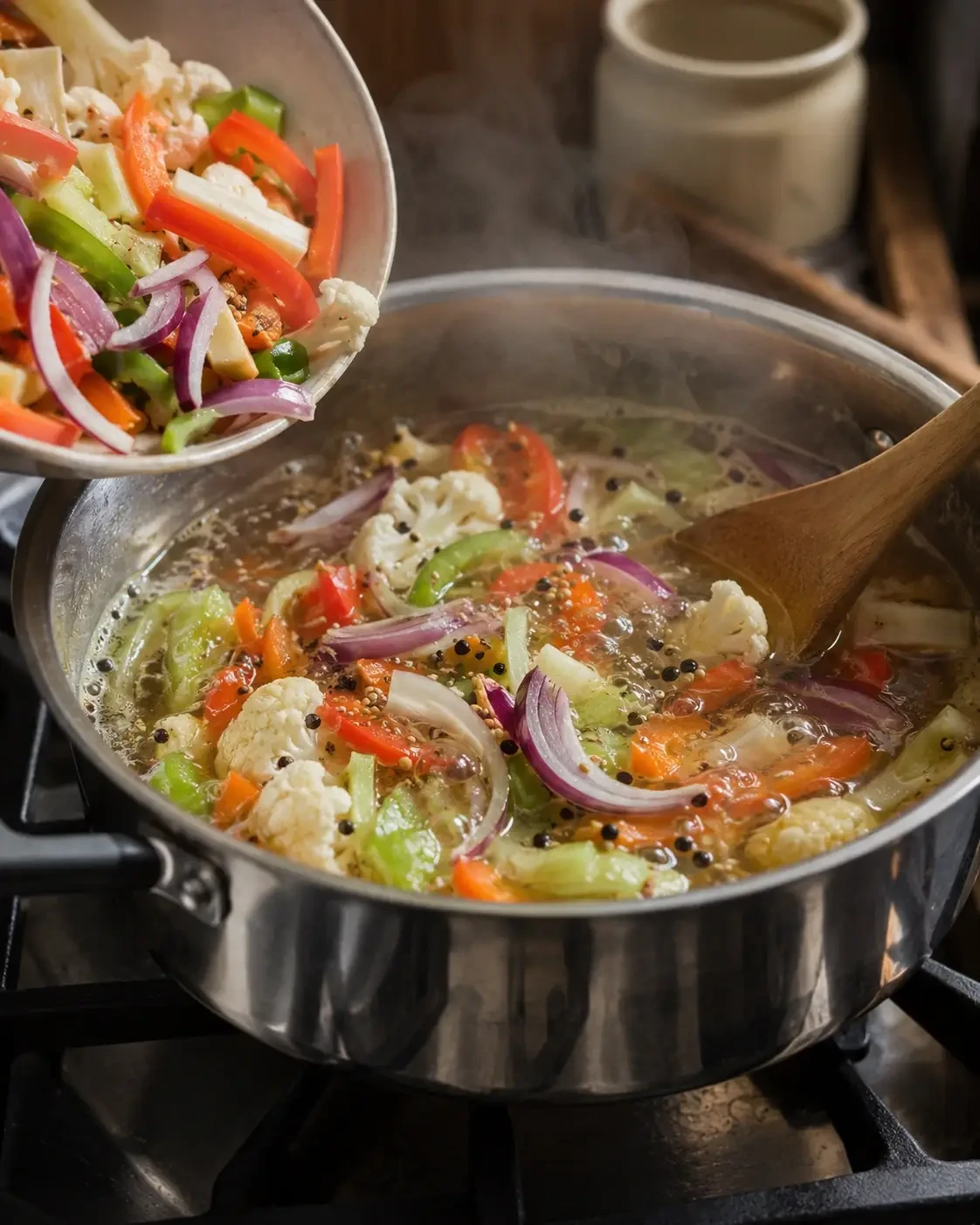
Method:

Best served with

Preservation Tips

Pickle mix is best stored in clean, sterilised jars with the vegetables fully covered by vinegar based pickling liquid. Once opened, keep refrigerated and use within around 2 to 4 weeks, depending on the product, ingredients and storage conditions.


If you are making pickle mix to sell, store at room temperature, or keep for long periods, you should follow current food safety guidance and use a tested preservation process.
Pickle mix

What Is Pickle Mix?

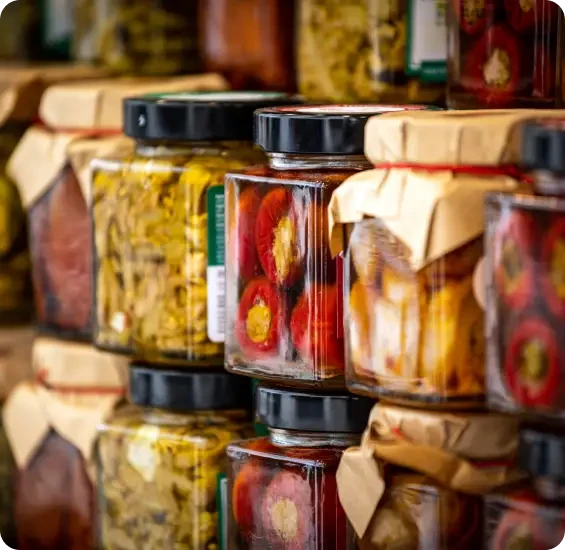
Pickle mix is quite self explanatory but refers to quite a broad selection of items to pickle, it tends to refer to:

Where to Buy Pickle Mix

Pickle mix may be available from farm shops, farmers markets, preserve makers, delis, independent food retailers, online food shops, specialist food producers, world food shops, veg box suppliers and local markets.


BFFD should position itself as a discovery platform that helps users find pickle makers and stockists, not as the automatic checkout. Users should be encouraged to check the producer, product details and buying route before purchase.
Why Pickle Mix Works So Well With British Food

Pickle mix has lasted because it solves a very simple problem.
A lot of traditional British food is rich, savoury, salty, creamy or starchy. Cheese, pork pies, cold meats, sausages, roast leftovers, sandwiches, potatoes, eggs and bread all benefit from something sharp beside them.
That is where pickle mix works. It cuts through richness. It adds crunch to soft food. It adds brightness to simple meals. It can make leftovers feel more deliberate. It can turn bread, cheese and a few odds and ends into a lunch that feels properly put together.
This is why pickles belong so naturally beside farm shop food. They sit comfortably next to cheese counters, bakery shelves, butchers’ counters, picnic displays, deli boards and jars of chutney, relish and preserves.
Pickle mix is not just a side product. It is often the thing that makes the rest of the plate work.

What Tends To Go Into A Pickle Mix?

This is the beauty about making pickled food. You get to work on your favourite vegetables and mixes and try and endless combination
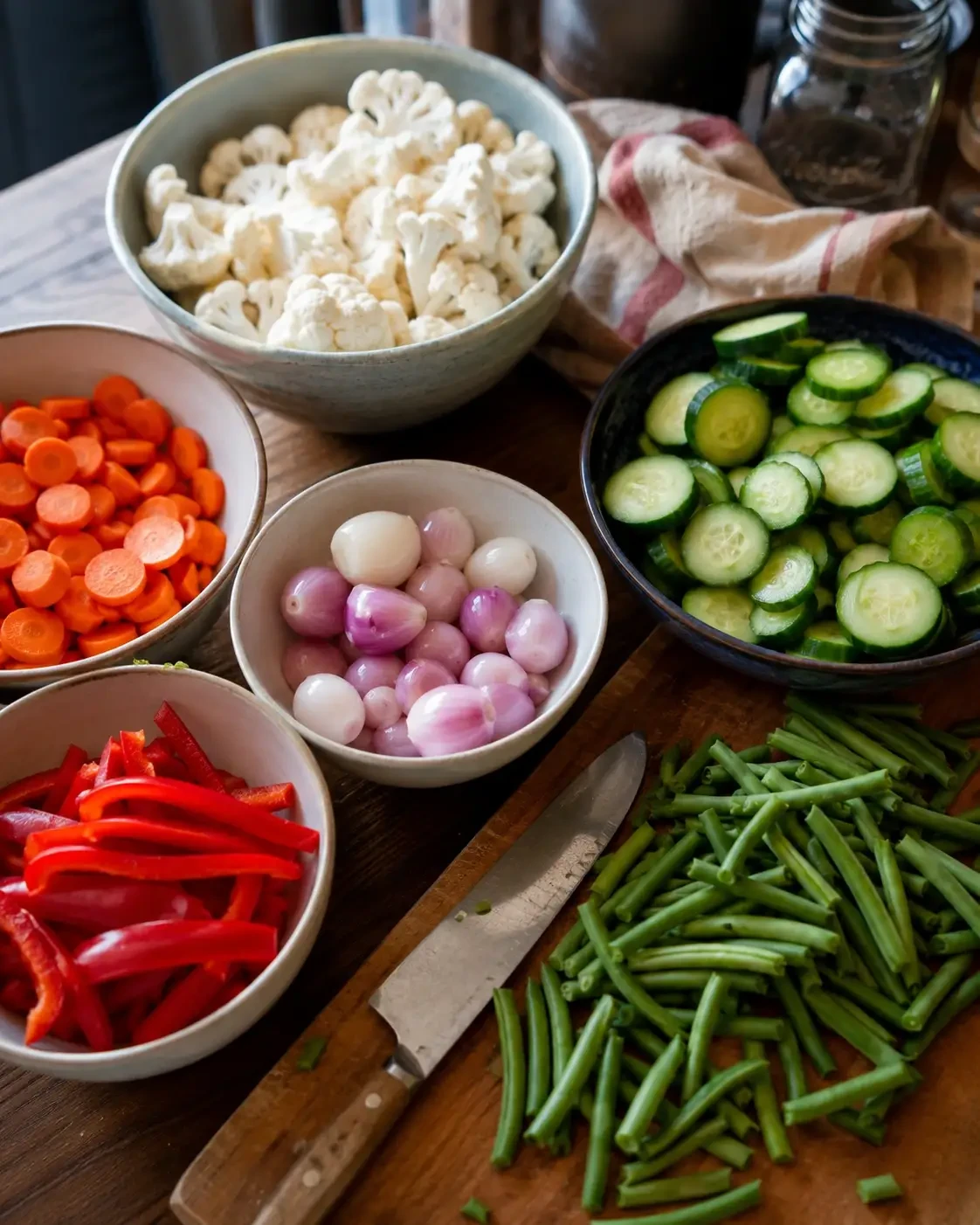
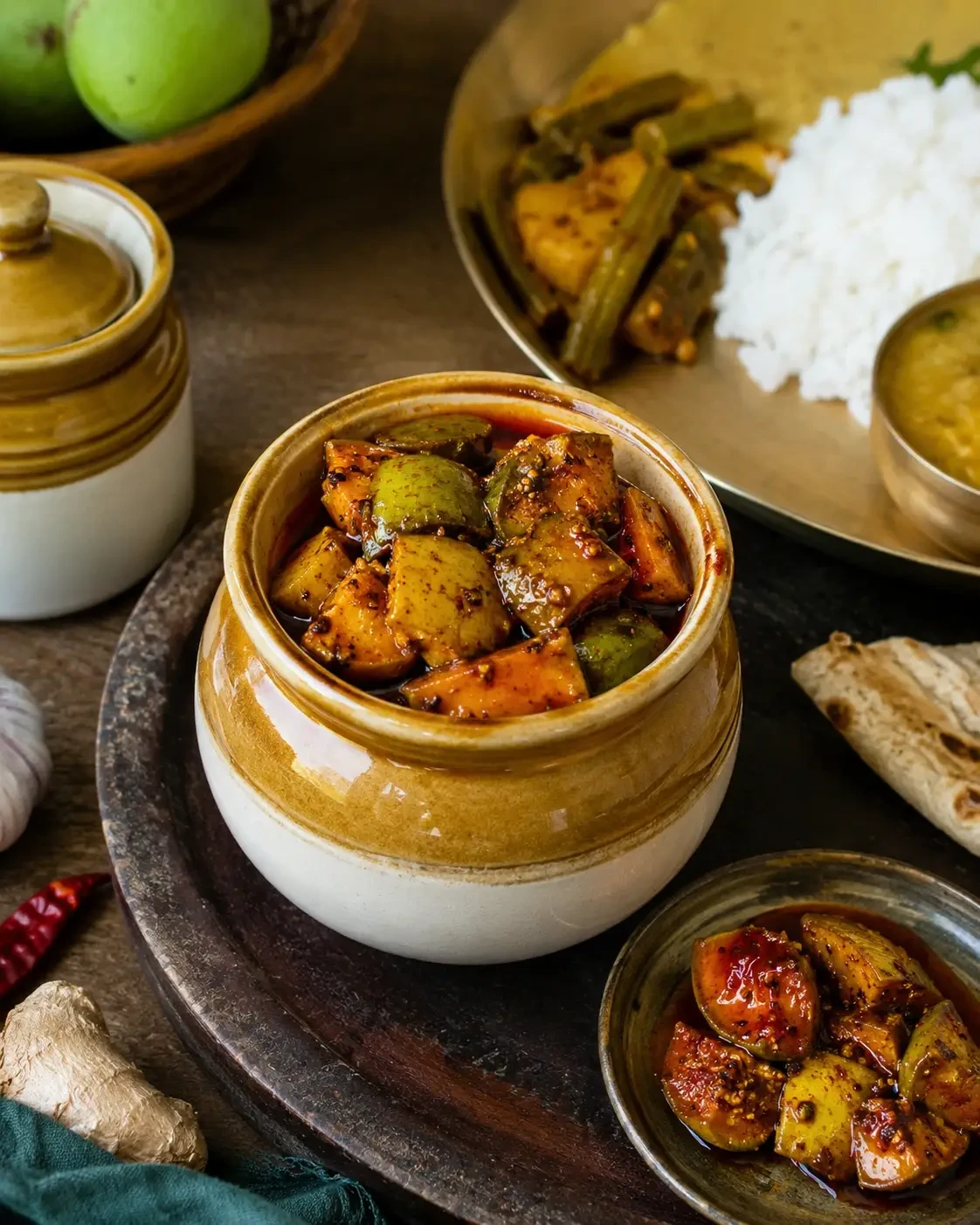
A British style mixed pickle may include crisp vegetables in vinegar. An Indian style mixed pickle may include oil, chilli, mustard, spices and salt. A deli pickle mix may include olives, peppers and gherkins. A pickling spice mix may include whole spices rather than vegetables.
Common ingredients can include:

and so much more. Just bare in mind not every pickle mix contains the same ingredients, so the label matters. This is especially important for allergens. Some pickle mixes may contain mustard, sesame, sulphites or other allergens depending on the recipe and production method.
What to Check Before Buying Pickle Mix

Before buying, check what kind of product it is, what is inside it and how it should be stored.

Check Whether It Is Ready to Eat

Some pickle mix is a finished food product. Some is a spice mix for making pickles. If the product is in a jar with vegetables, sauce, vinegar or brine, it is likely to be ready to eat. If it is a dry spice blend, it is likely to be an ingredient.

Check the Ingredients

Look at the vegetables, spices, oils, vinegars, sugars and flavourings used. This helps you understand whether the pickle mix is sharp, sweet, hot, mild, oily, crunchy, soft, traditional or more heavily spiced.

Check the Allergens

Pickle mix may contain allergens depending on how it is made. Mustard, sesame and sulphites are worth checking for, but always read the product label rather than assuming.

Check the Allergens

Pickle mix may contain allergens depending on how it is made. Mustard, sesame and sulphites are worth checking for, but always read the product label rather than assuming.

Check the Storage Instructions

Some products may be shelf stable until opened. Others may need to be kept chilled. Many jars need refrigeration after opening. Always follow the storage guidance on the jar or packet.

Check the Maker

A good pickle maker should make it clear who produced the product, where it came from, what it contains and how to use it. For local food buyers, this is part of the value. The more clearly the maker explains the product, the easier it is to trust.

Best Ways to Use Your Pickle Mix

Pickle mix is useful because it does not need much effort. You do not need to build a complicated meal around it. A spoonful can change the whole plate.

Pickle Mix With Cheese

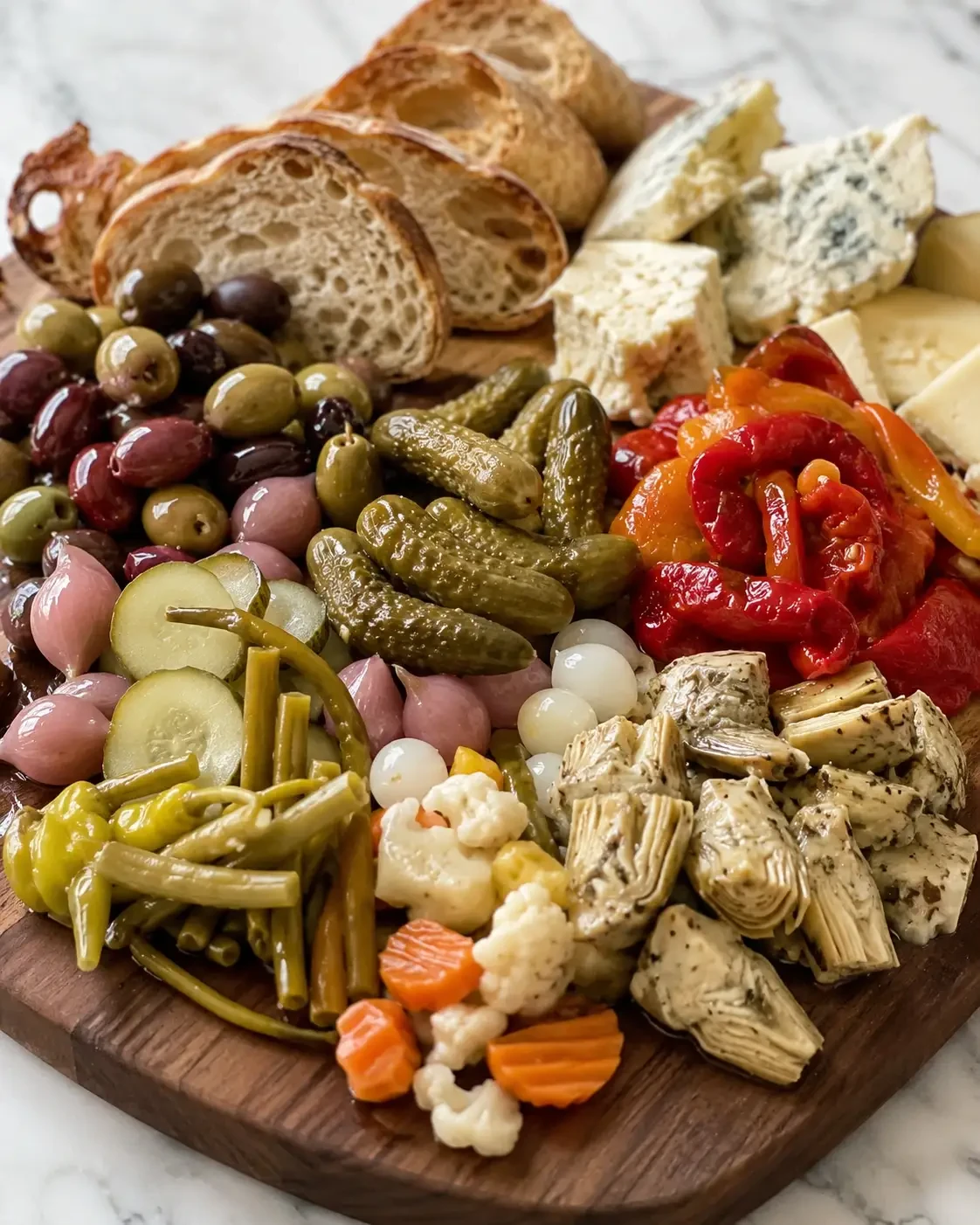
Pickle mix works beautifully with cheese because the acidity cuts through fat and richness. Serve it with cheddar, hard cheese, blue cheese, soft cheese, goat’s cheese, farmhouse cheese, crackers, sourdough, oatcakes or fresh bread. Breaking this out for an after dinner snack or a post meal pallet cleanser is really special when done properly. 


It works especially well as part of a cheese board where customers want contrast: creamy, salty, sharp, sweet and crunchy.
Pickle Mix in Sandwiches

A small amount of pickle mix can make a sandwich much more interesting. It’s a tasty and simple filler that lasts meaning there is no need to keep topping up with expensive supermarket items. 
It works with ham, cheese, egg mayonnaise, chicken, roast vegetables, cold beef, leftover pork, salad fillings and simple packed lunches. The key is not to overload the sandwich. Pickle mix is there to add lift, not to drown the filling.

Pickle Mix With Burgers

We all love burgers here in the UK. I am yet to find someone who doesn’t enjoy a burger patty and fillings. A pickle mix can bring sharpness and crunch to burgers. It works with beef burgers, chicken burgers, pork burgers, vegetarian burgers and sausage style sandwiches.


It can be used alongside mustard, relish, slaw, cheese or salad. For food businesses, this can be a useful way to create a more distinctive burger without changing the whole menu.

Pickle Mix With Pies and Pasties

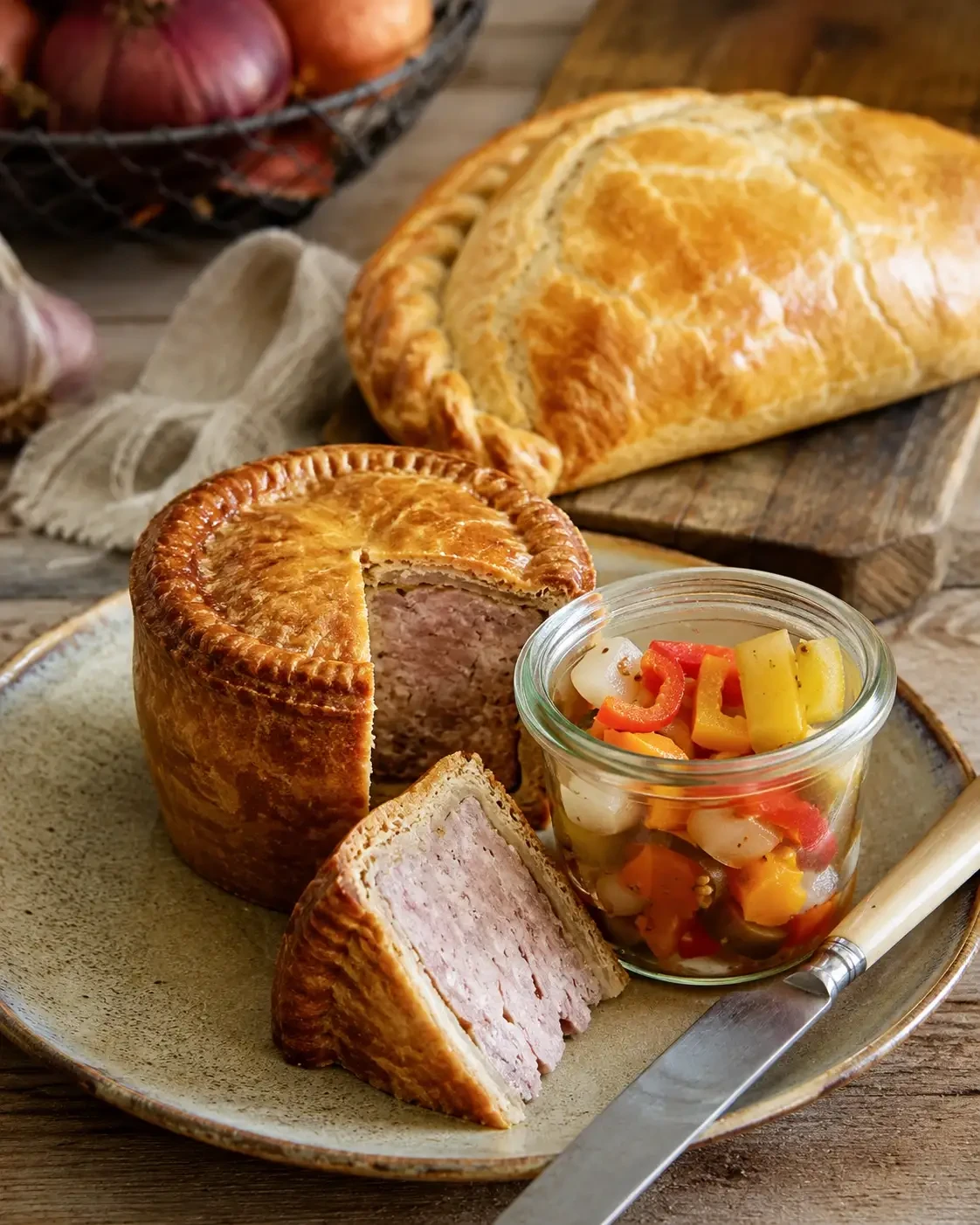
There are so many enjoyable pastries to have now as a snack or a quick meal. Sometimes a chutney will suffice but having a side of pickle mix works well. 


It compliments pork pies, meat pies, cheese pies, sausage rolls, pasties and savoury pastries. This is one of the reasons it fits so naturally with farm shop counters and bakery displays. It’s a classic in a ploughmans lunch and has been a staple of the quick midday snack for many many years.

Pickle Mix With Cold Meats

Cold meats are a classic midday meal often accompanies with some bread and salads. These foods often need acidity to break up the flavor profile. 

A pickle mix can be served with ham, beef, pork, gammon, chicken, charcuterie and leftover roast meats.

It helps balance the richness and makes a cold plate feel fresher.

Pickle Mix With Curries

We LOVE a curry here at BFFD.

Indian style mixed pickle can add heat, salt, spice and intensity to curries, rice dishes, breads and snacks. It is usually served in smaller amounts because the flavour can be strong but never the less incredibly rewarding when done right. 


A very different approach to pickling due to the unique flavors but it’s still worth the wait for your meals should you have the time to make it. 
Is Pickle Mix Always Fermented?

No, pickle mix is not always fermented.
Many pickle mixes are vinegar pickled rather than fermented. Some may be made with brine, some with vinegar, some with oil, some with spices and some with sauces.
Fermentation and pickling are often discussed together, but they are not always the same thing.
This matters because customers may search for pickles expecting fermented food, when the product they are buying may simply be vinegar preserved.
A good maker should explain the method clearly where it is relevant.

Food Safety and Storage

Kimchi, sauerkraut and pickles need correct production, storage and labelling.

Customers should follow the maker’s instructions. Some products need refrigeration before opening. Some need refrigeration after opening. Some may be shelf stable until opened. Some may continue fermenting slowly if live and chilled.

Prepared products may contain ingredients that customers need to know about, including garlic, chilli, fish sauce, soy, sesame, mustard, dairy, gluten containing ingredients or other allergens depending on the recipe.

Fermented and Pickled Food Note:

Always check whether kimchi, sauerkraut or pickles are fermented, vinegar pickled, chilled, shelf stable, live or pasteurised. Follow supplier storage guidance and check ingredient and allergen information before buying.

Do you make kimchi, sauerkraut or pickles?

List your fermented food business, farm shop supply route, market stall or preserved vegetable products on BFFD and help people find your products by location, flavour and buying route.

Reputable External Sources

Use this for food business setup and safe food operation context.

Use this for allergen responsibilities and customer information.

Use this for official food hygiene and safe food handling context.

Use this for hygiene rating checks and public trust.

Use this for mandatory food label information.

Use this if the cheese society serves or sells alcohol at events.
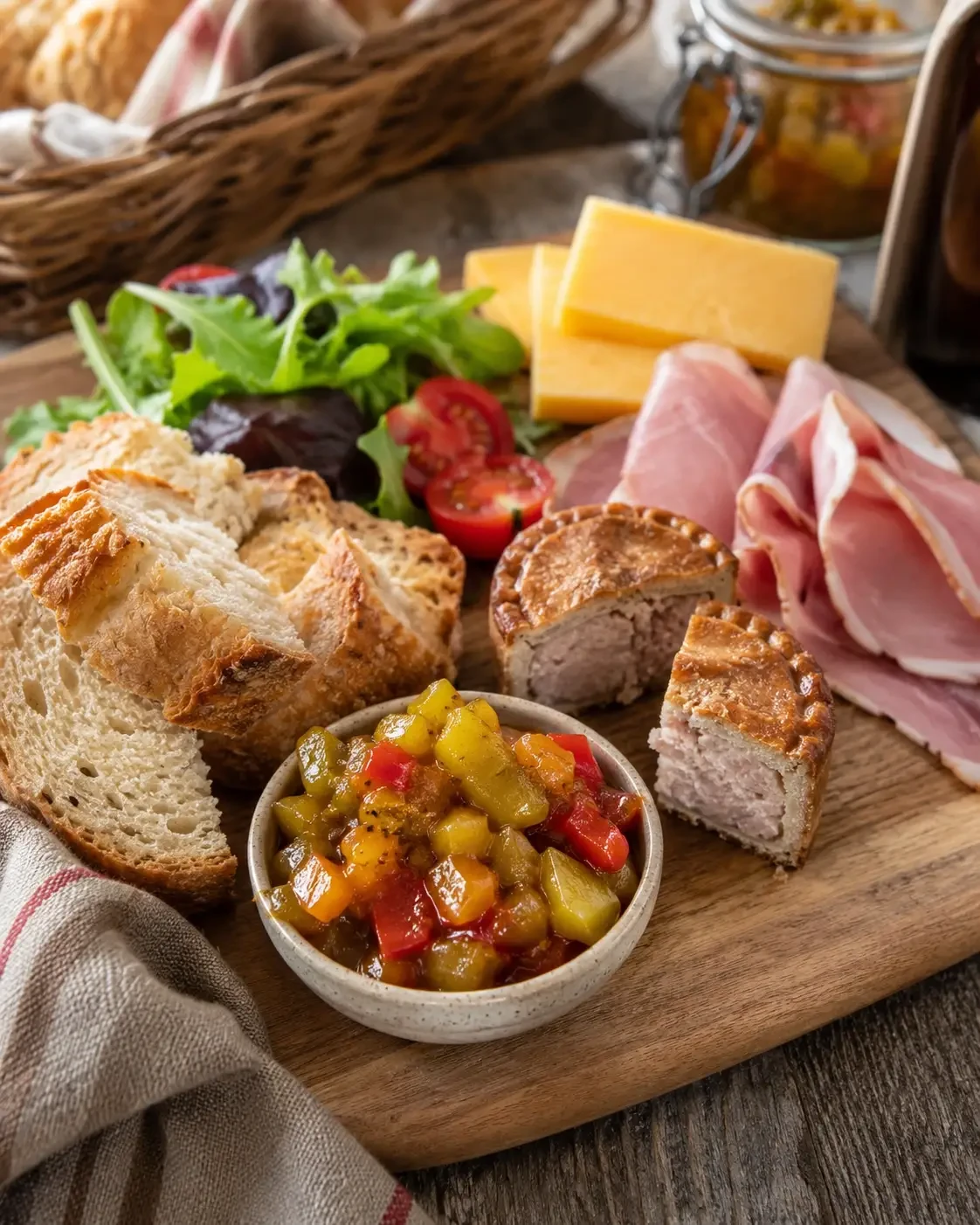
making a pickle mix

*External sources are provided for further reading. BFFD does not provide food safety, legal, trading standards, allergen, dairy hygiene, delivery, labelling or business advice. Cheesemongers, cheese makers and food businesses should always follow current official guidance and seek professional advice where required.

helpful links

Related Fermented Food Pages

Related BFFD Pages

FAQ

What dishes can you make with sauerkraut?
You can use sauerkraut in sausage dishes, pork dishes, sandwiches, hot dogs, stews, soups, salads, baked potatoes, breakfast hash, toasties, grain bowls and vegetarian plates.
Sauerkraut is often served with sausages, pork, ham, bacon, gammon, burgers and chicken because its acidity balances richer flavours.
Yes. Sauerkraut can be eaten cold as a side dish, salad ingredient, sandwich filling, burger topping or bowl ingredient. Always follow the product’s storage guidance.
Yes. Sauerkraut can be gently warmed or added to cooked dishes such as stews, soups, sausage dishes, pork dishes and potato hash.
Sauerkraut works well with potatoes, onions, carrots, beetroot, mushrooms, cabbage, apples, cucumber and herbs.
Yes. Sauerkraut works well in sandwiches and toasties because it adds crunch, acidity and strong savoury flavour.
Not always. Sauerkraut is usually fermented cabbage, while some pickled cabbage products are preserved using vinegar. Check the product description to understand how it is made.
No. BFFD should focus on food use, flavour, provenance, storage information and local producer discovery, not unsupported health claims.

Find Sauerkraut, Fermented Foods and Local Makers

Sauerkraut is more than a side dish. It can bring sharpness, crunch and depth to sausages, pork, potatoes, sandwiches, salads, bowls and simple everyday meals. Use BFFD to discover fermented food makers, farm shops, farmers markets and local suppliers who can help you find sauerkraut and other fermented foods with clearer links between product, place and producer.