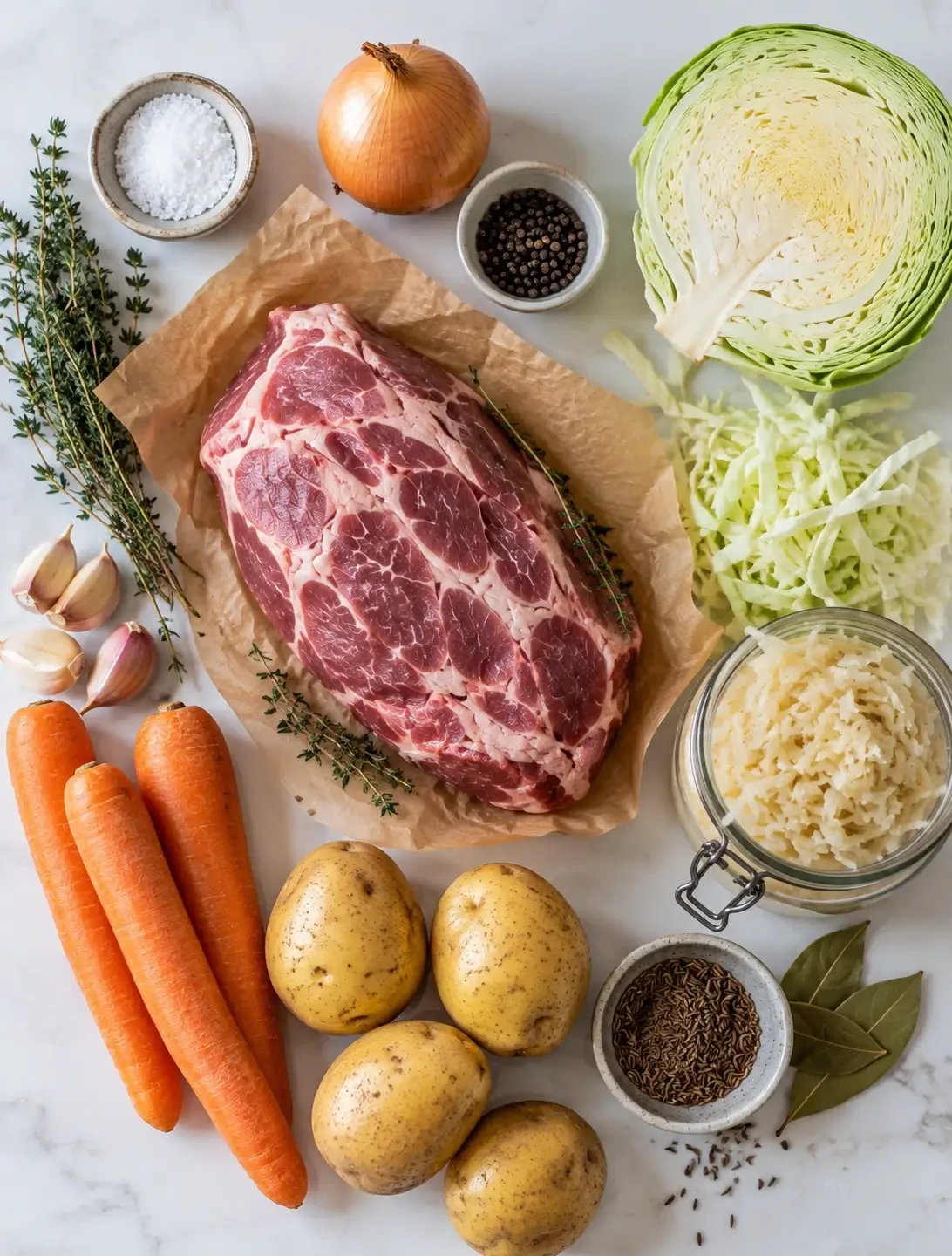
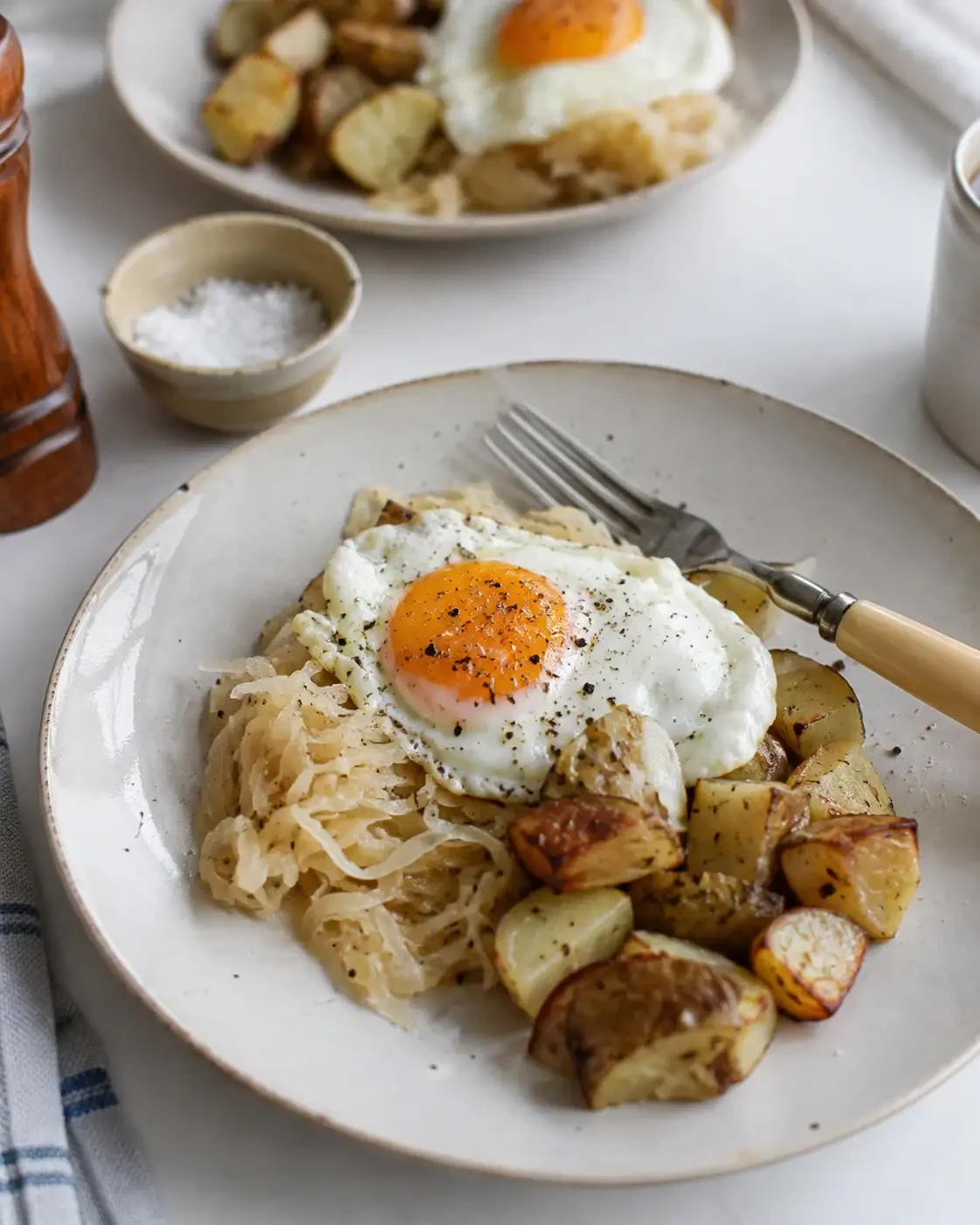
Sauerkraut dishes include sausages with sauerkraut, pork and sauerkraut, Reuben style sandwiches, potato hash, sauerkraut salads, pierogi, stews, soups, toasties, hot dogs, grain bowls, egg dishes and vegetarian plates. Sauerkraut works well with rich, salty, smoky or earthy foods because its sharpness cuts through heavier flavours.
It is often served with sausages, pork, potatoes and bread, but it can also work with eggs, salads, cheese, vegetables, pulses and grain bowls. Sauerkraut is fantastic for anyone interested in:
Sauerkraut is more flexible than many people realise. It can be used as a side dish, topping, sandwich filling, salad ingredient or sharp flavour lift for simple meals. The best sauerkraut dishes usually pair it with food that is rich, earthy, smoky or mild, because its acidity helps balance the plate. These ideas are not full technical recipes. They are practical ways to use sauerkraut in everyday cooking, with clear links to the ingredients, producers and recipe categories people may want to explore next.
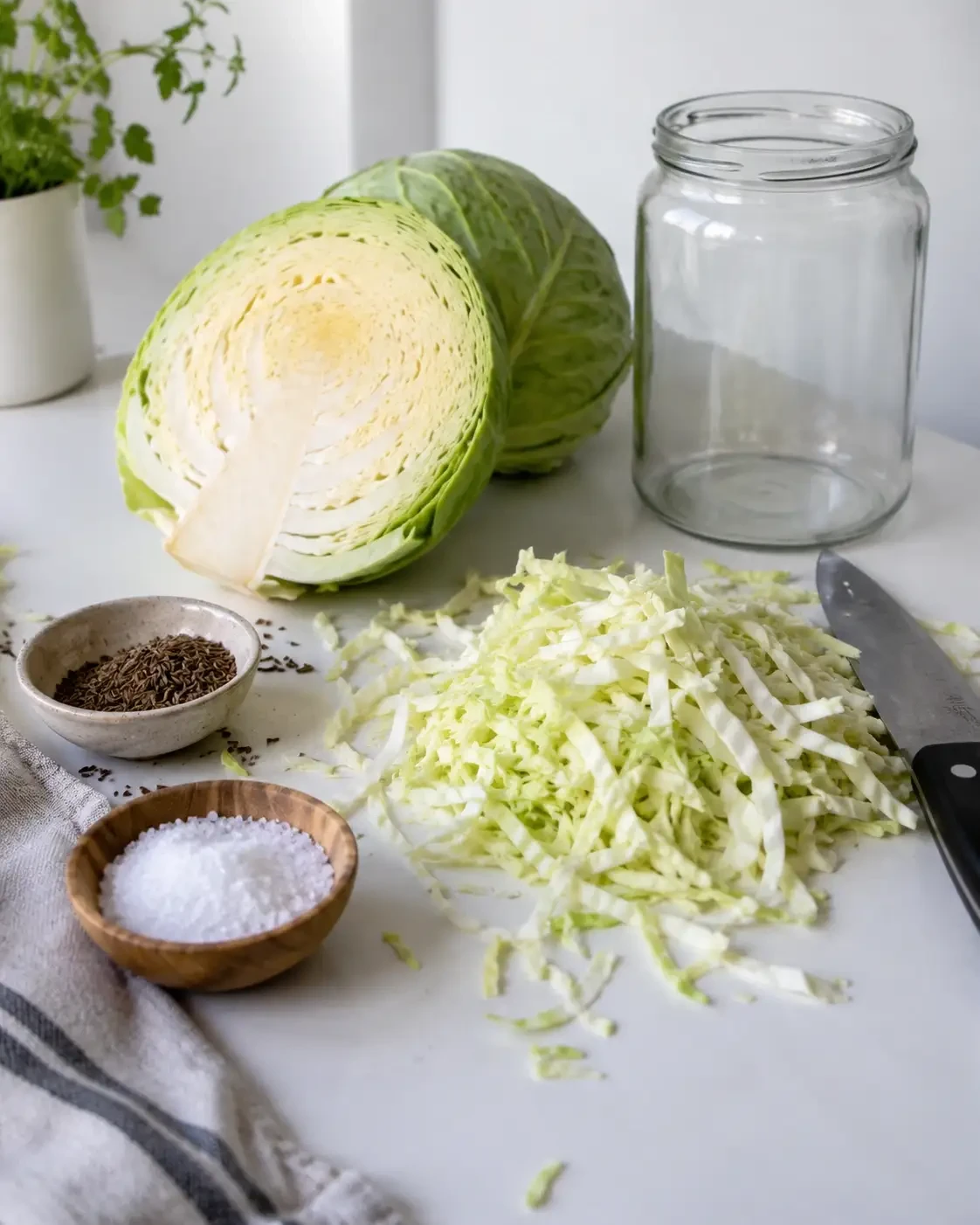

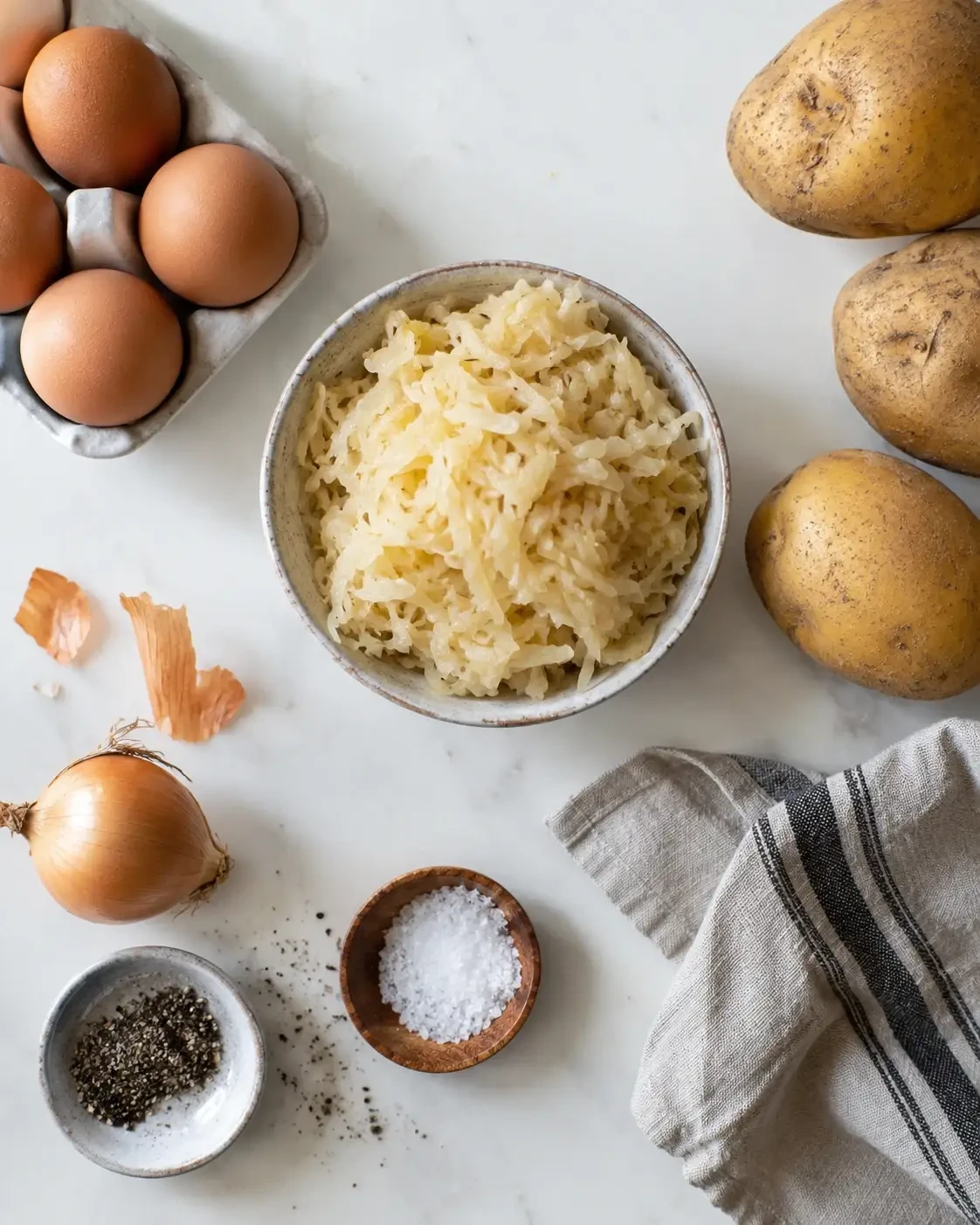
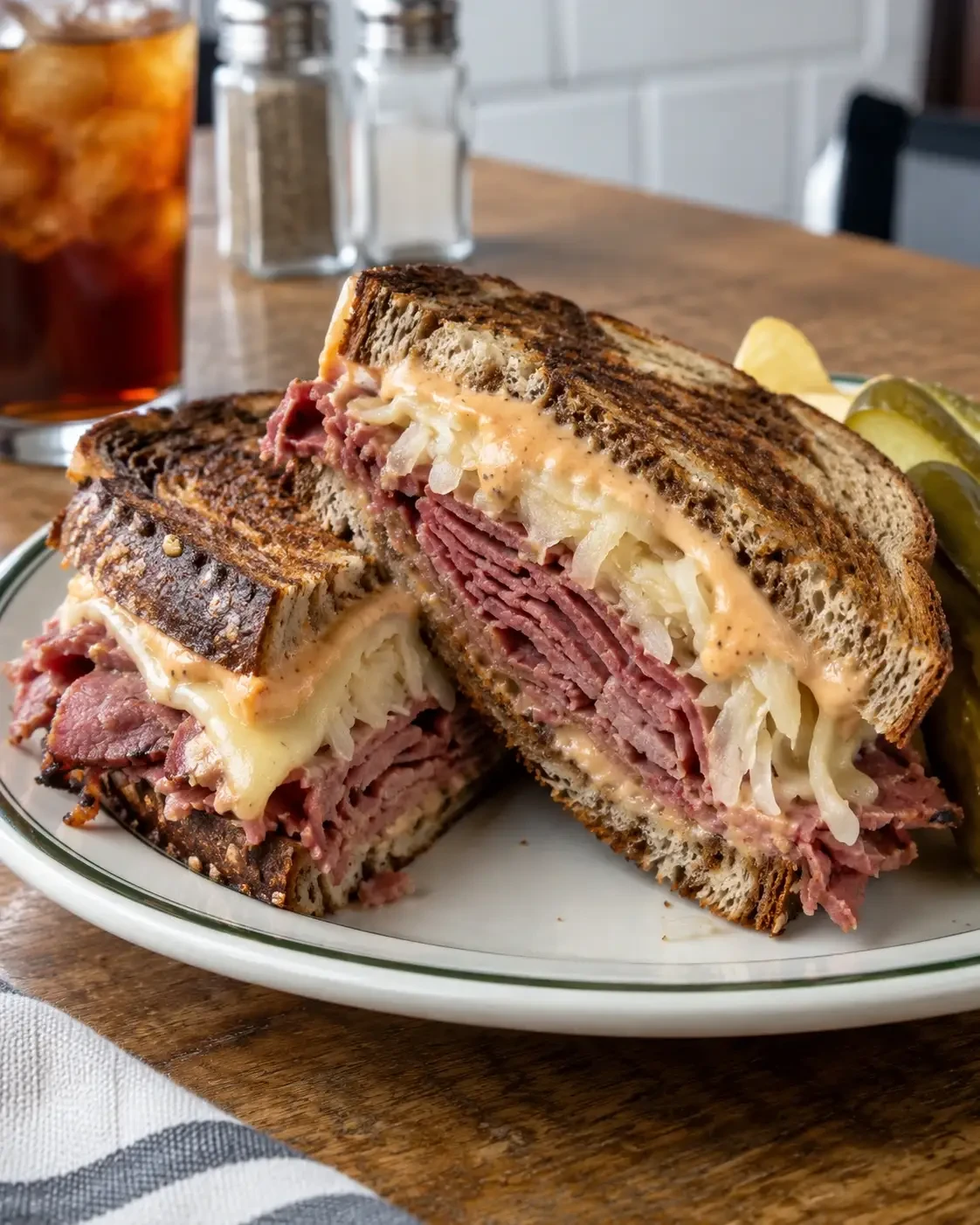

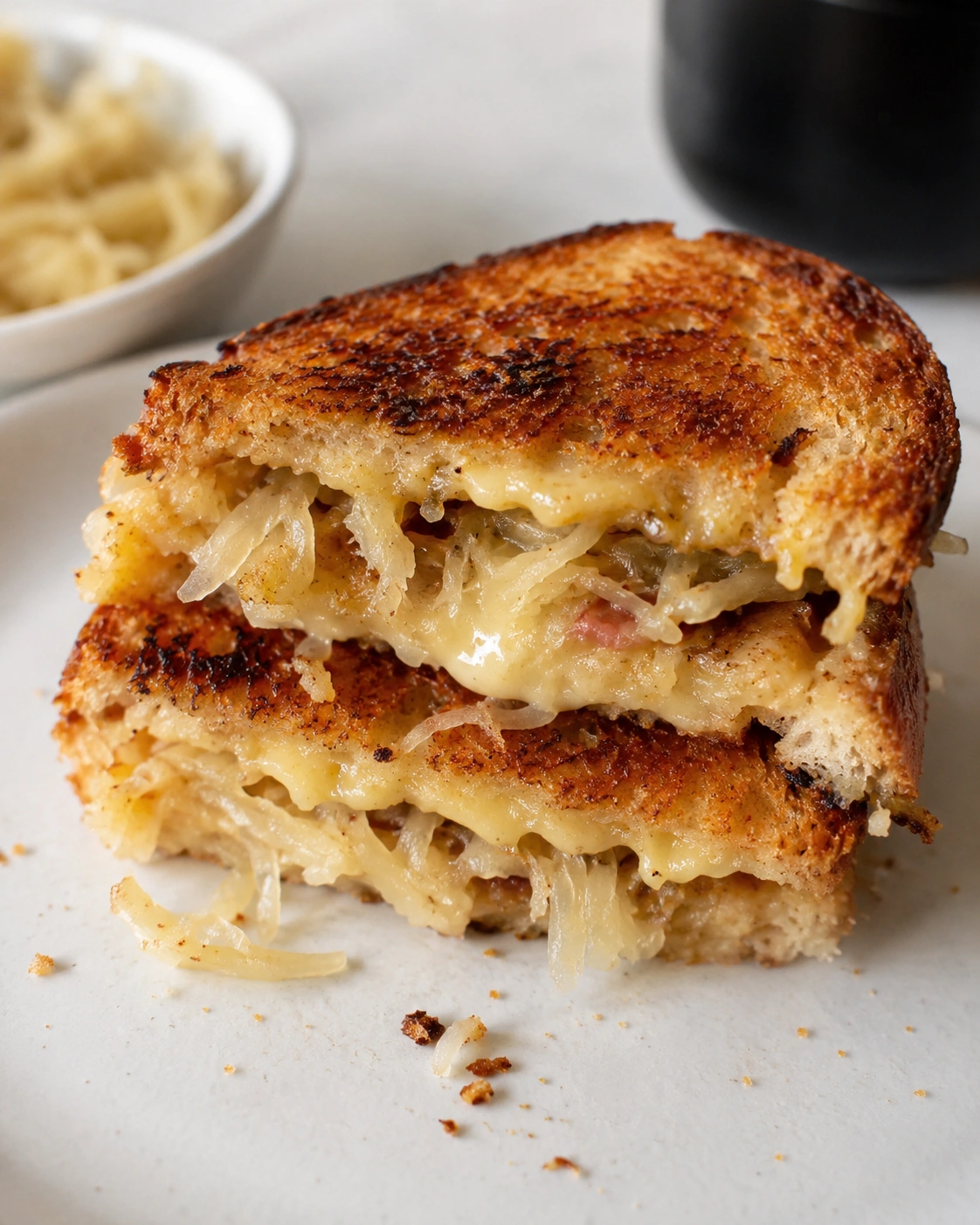
Kimchi, sauerkraut and pickles need correct production, storage and labelling.
Customers should follow the maker’s instructions. Some products need refrigeration before opening. Some need refrigeration after opening. Some may be shelf stable until opened. Some may continue fermenting slowly if live and chilled.
Prepared products may contain ingredients that customers need to know about, including garlic, chilli, fish sauce, soy, sesame, mustard, dairy, gluten containing ingredients or other allergens depending on the recipe.
Fermented and Pickled Food Note:
Always check whether kimchi, sauerkraut or pickles are fermented, vinegar pickled, chilled, shelf stable, live or pasteurised. Follow supplier storage guidance and check ingredient and allergen information before buying.
List your fermented food business, farm shop supply route, market stall or preserved vegetable products on BFFD and help people find your products by location, flavour and buying route.
Use this for food business setup and safe food operation context.
Use this for allergen responsibilities and customer information.
Use this for official food hygiene and safe food handling context.
Use this for hygiene rating checks and public trust.
Use this if the cheese society serves or sells alcohol at events.
*External sources are provided for further reading. BFFD does not provide food safety, legal, trading standards, allergen, dairy hygiene, delivery, labelling or business advice. Fermented food producers and food businesses should always follow current official guidance and seek professional advice where required.
Related Fermented Food Pages
Want to get food independence, support your local grower, get better prices and shop more privately?
Local food isn’t just something you find. It’s something you protect. A free account helps keep local supply visible, supported, and resilient.

….it takes 30 seconds for food lovers and 5 minutes for suppliers
We built this for people who care where their food comes from. For people who want to remain food secure. For Farmers to get to the local people, who deserve a better income and to deliver a better price for you. For the environmentally conscious and the privacy-conscious. An account simply helps us make the map and supplier reach more useful to you, without changing how open it is. You’re always in control.


Find local food. Stay connected to it. Create a free account to support local producers and be part of a growing food network.