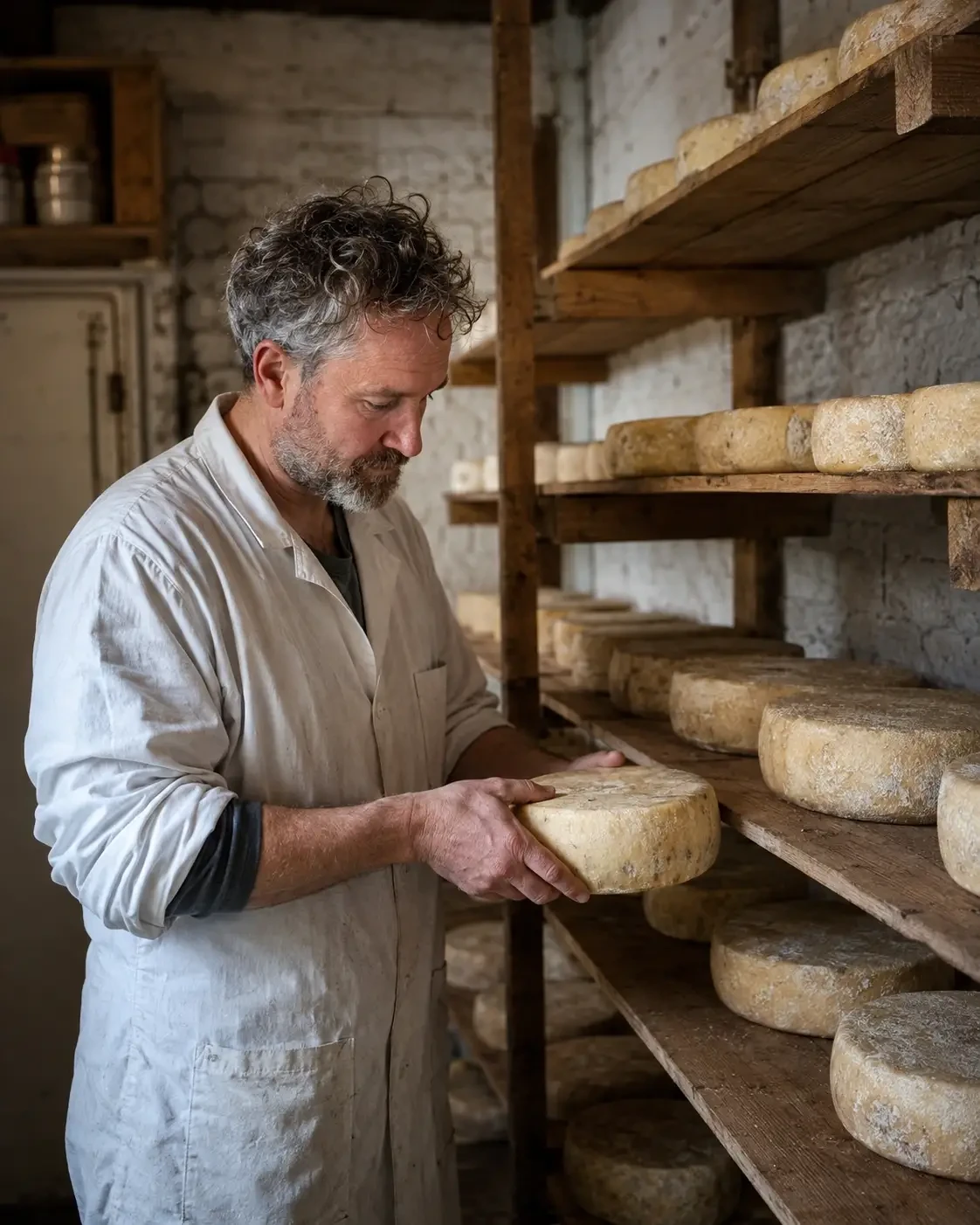
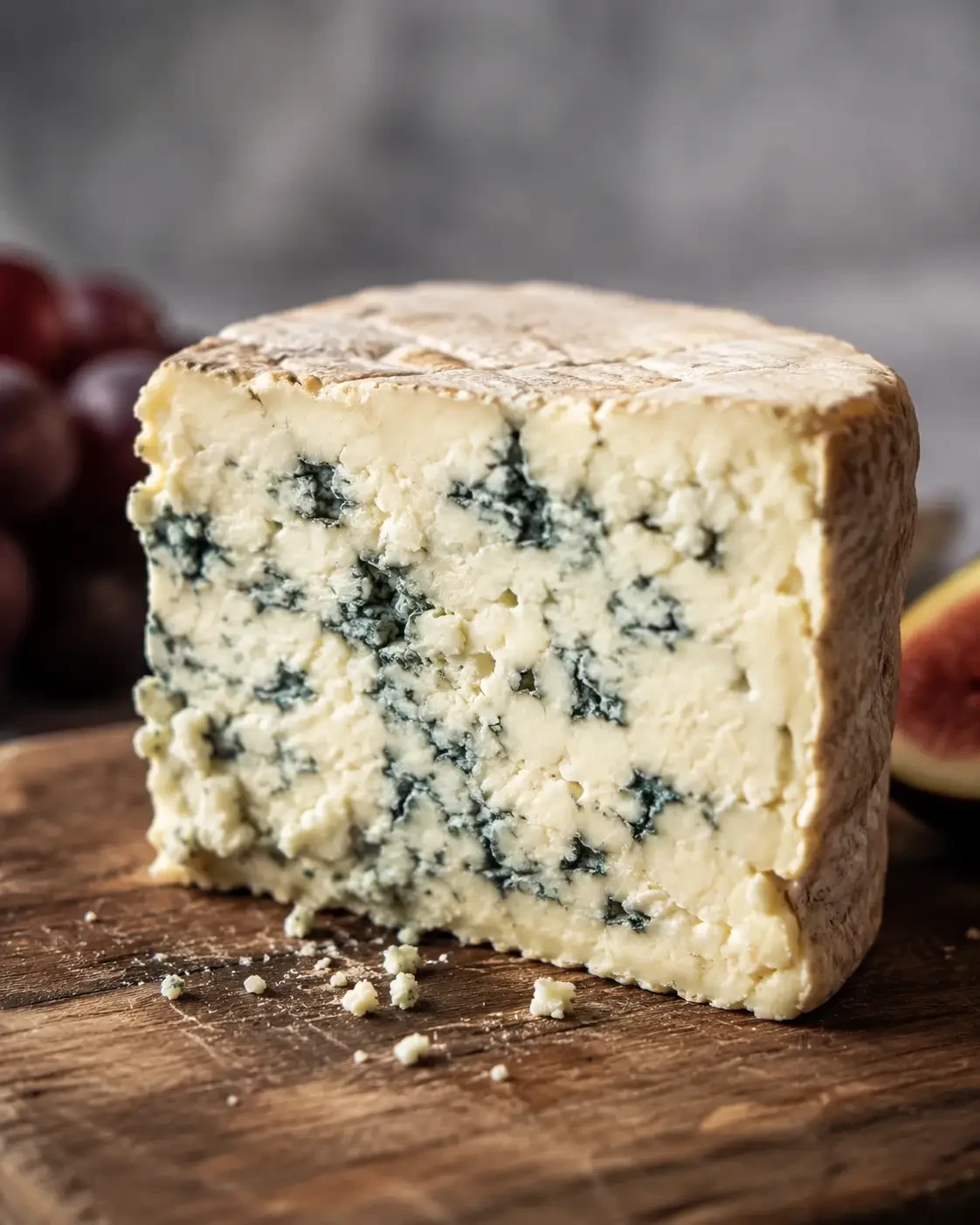
The phrase fermented cheeses is often used to describe cheeses in which bacteria, yeasts or mould cultures play an important role in turning milk into the finished cheese. Fermentation usually begins when microorganisms convert lactose in the milk into lactic acid. From there, cultures, enzymes, moulds, moisture and maturation can help create everything from the sharpness of a mature Cheddar to the blue veins of Stilton.
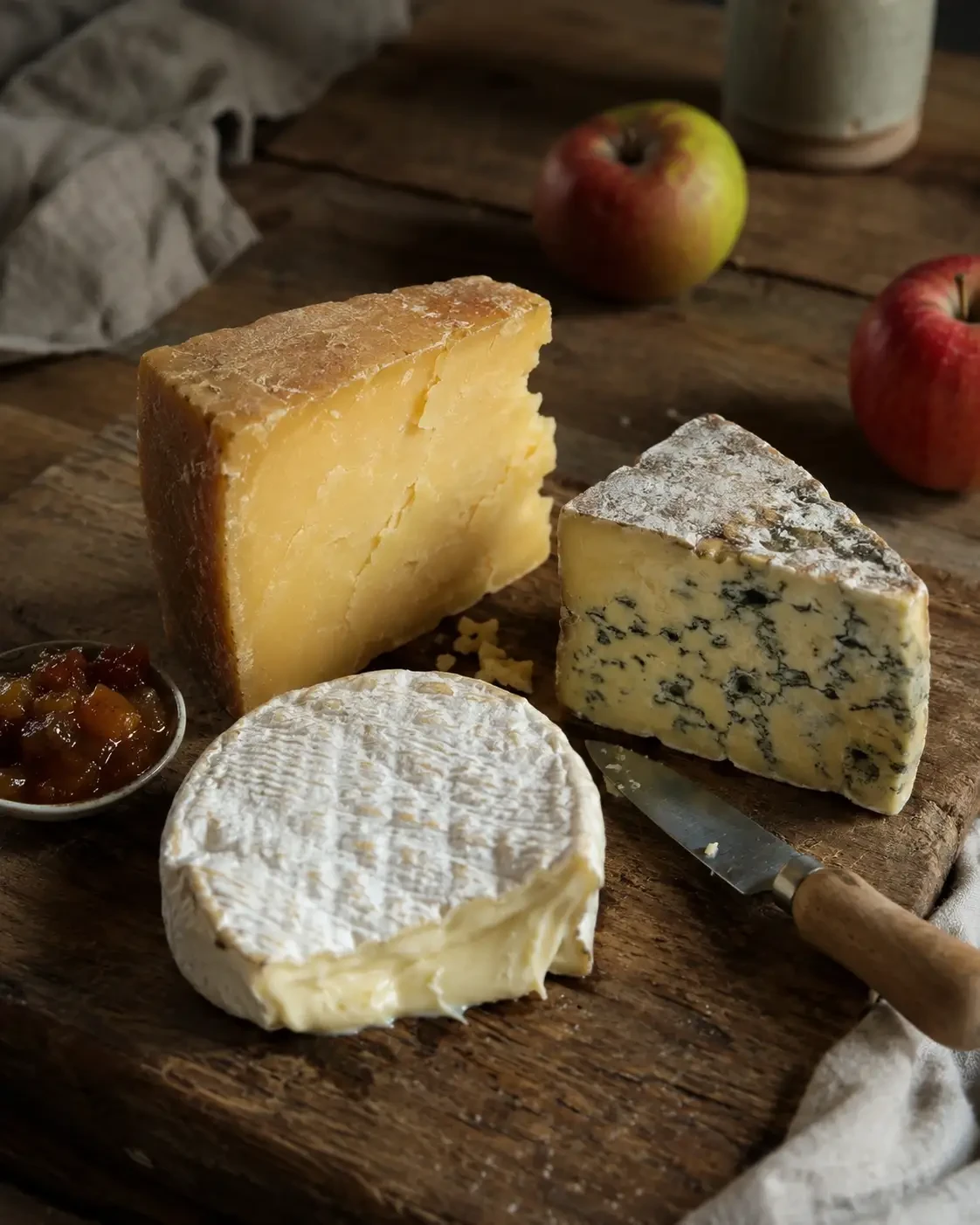
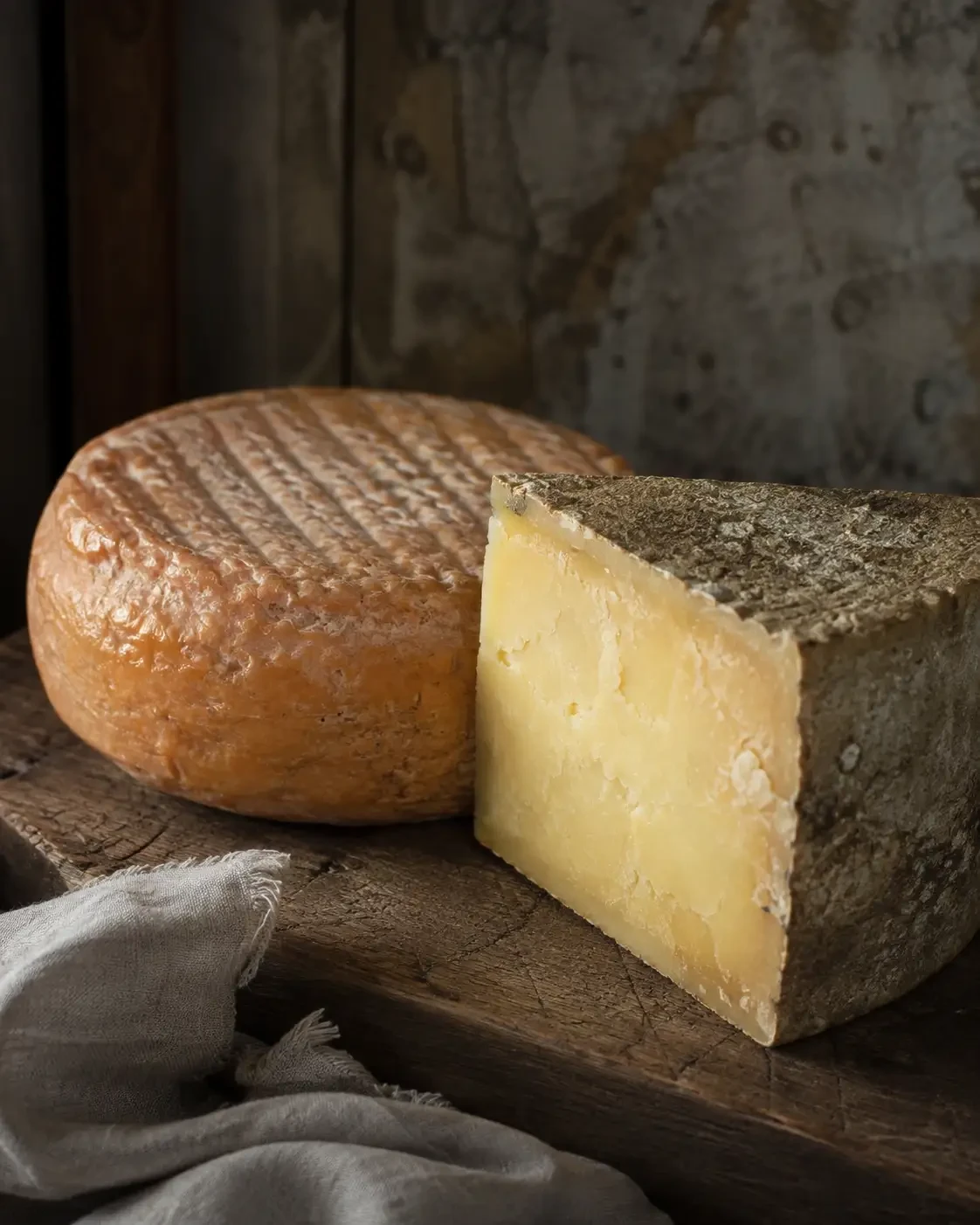
Milk is where the story begins. Cheese may be produced from different types of milk, including:
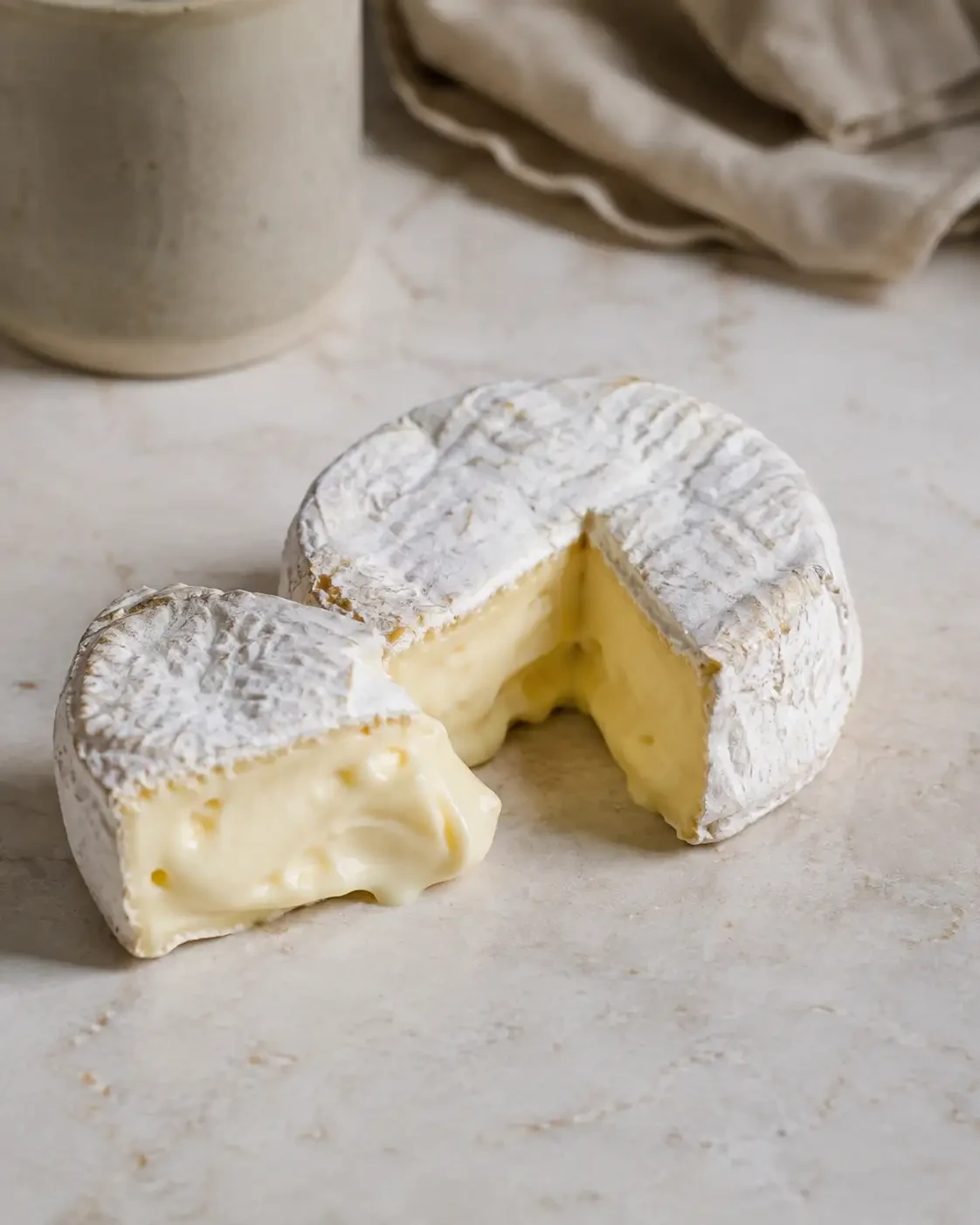
A deeper informational guide to blue cheese production and varieties.
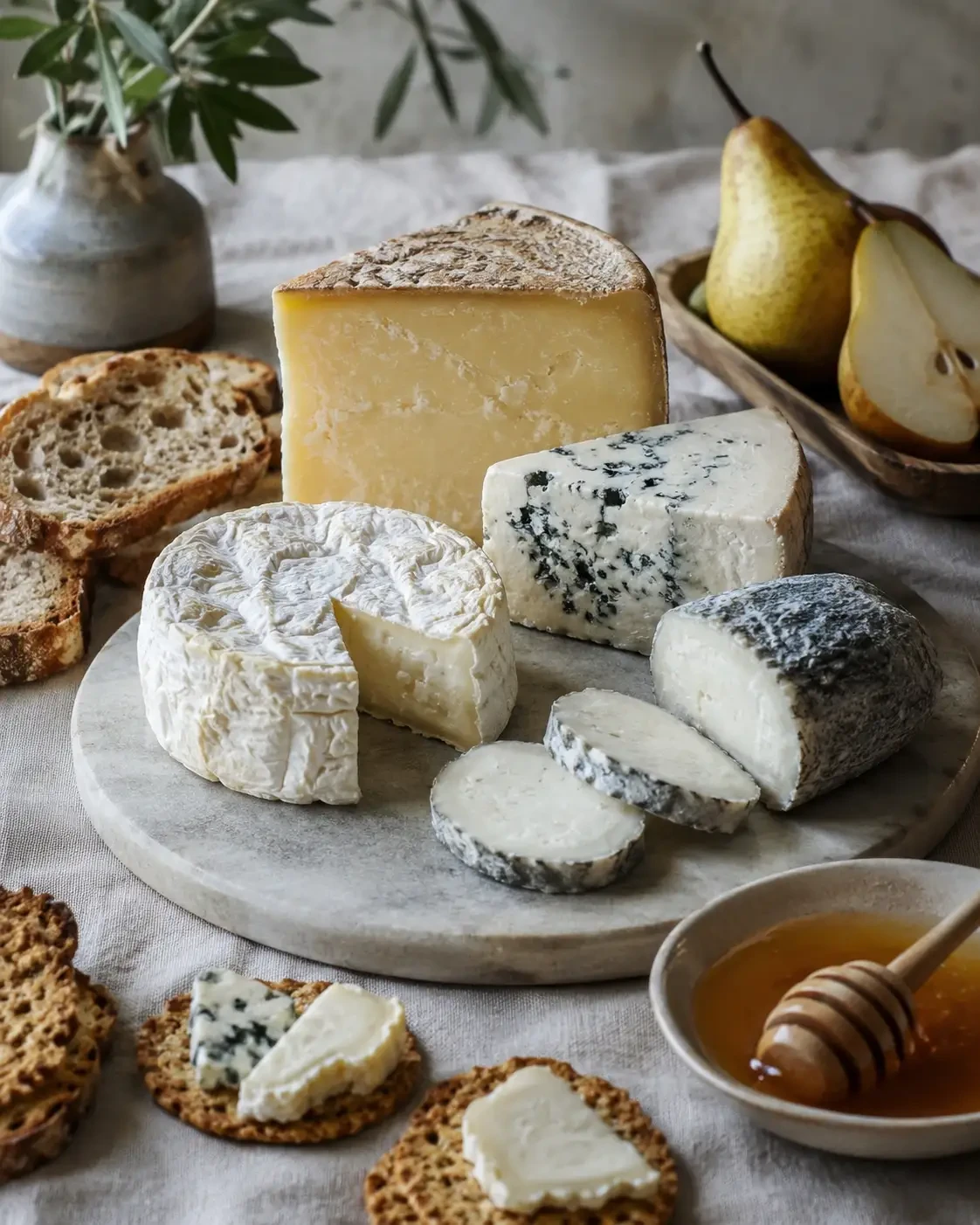
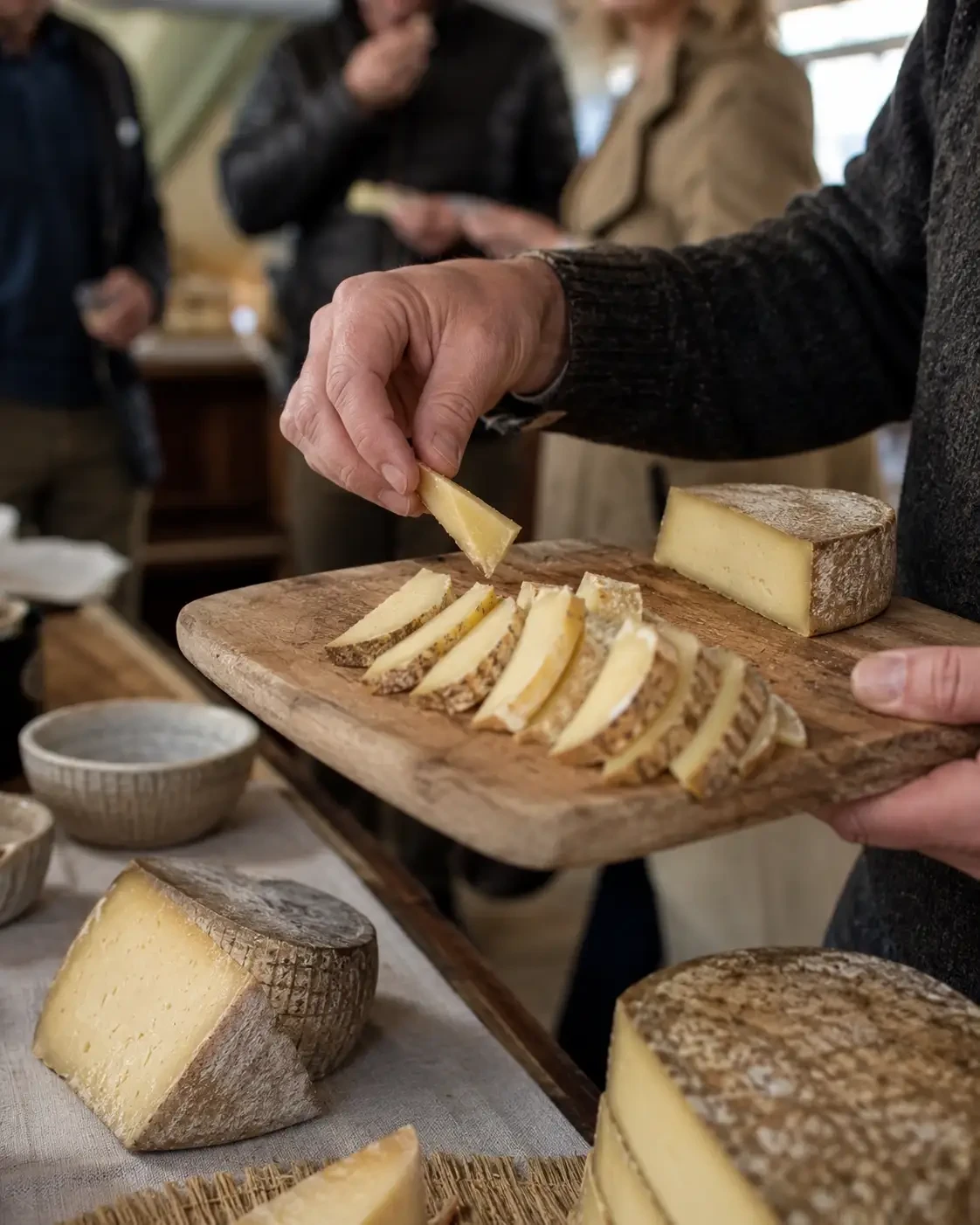
List your fermented food business, farm shop supply route, market stall or preserved vegetable products on BFFD and help people find your products by location, flavour and buying route.
Use this for food business setup and safe food operation context.
Use this for allergen responsibilities and customer information.
Use this for official food hygiene and safe food handling context.
Use this for hygiene rating checks and public trust.
Use this if the cheese society serves or sells alcohol at events.
*External sources are provided for further reading. BFFD does not provide food safety, legal, trading standards, allergen, dairy hygiene, delivery, labelling or business advice. Cheesemongers, cheese makers and food businesses should always follow current official guidance and seek professional advice where required.
Related Fermented Food Pages
Want to get food independence, support your local grower, get better prices and shop more privately?
Local food isn’t just something you find. It’s something you protect. A free account helps keep local supply visible, supported, and resilient.
….it takes 30 seconds for food lovers and 5 minutes for suppliers
We built this for people who care where their food comes from. For people who want to remain food secure. For Farmers to get to the local people, who deserve a better income and to deliver a better price for you. For the environmentally conscious and the privacy-conscious. An account simply helps us make the map and supplier reach more useful to you, without changing how open it is. You’re always in control.


Find local food. Stay connected to it. Create a free account to support local producers and be part of a growing food network.