Kimchi, sauerkraut and pickles are often grouped together, but they are not all made in the same way.
Some are fermented. Some are vinegar pickled. Some are live products. Some are pasteurised. Some need chilling. Others may be shelf stable until opened. Some are sharp and simple. Others are layered with chilli, garlic, ginger, spices, herbs, fruit or vegetables. Buy From Farmers Direct is being built to help people understand these products more clearly and find fermented food makers, farm shops, market traders and specialist suppliers with better information about ingredients, storage, provenance and buying routes.
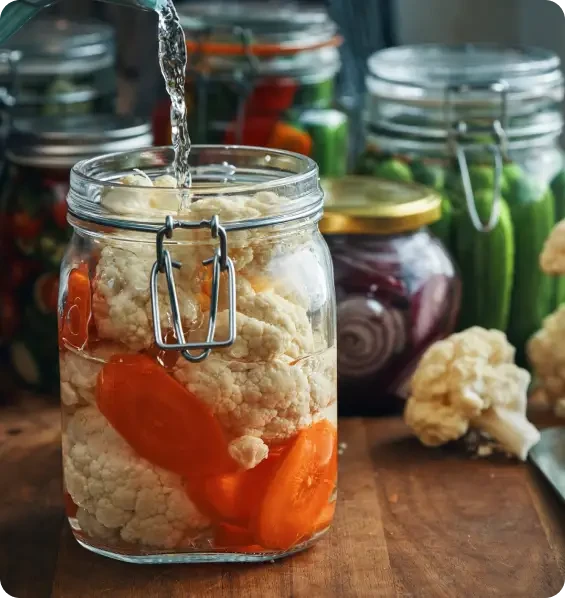
Kimchi, sauerkraut and pickles are preserved vegetable products, but they are not always made in the same way. Sauerkraut is usually fermented cabbage. Kimchi is commonly made from fermented vegetables with seasonings such as chilli, garlic or ginger, although recipes vary. Pickles may be fermented or vinegar pickled depending on the maker. Before buying, check whether the product is fermented or vinegar pickled, whether it is chilled or shelf stable, whether it is live or pasteurised, what ingredients and allergens are listed, and how it should be stored after opening.
Kimchi, sauerkraut and pickles are preserved vegetable products, but they are not always made in the same way. Sauerkraut is usually fermented cabbage. Kimchi is commonly made from fermented vegetables with seasonings such as chilli, garlic or ginger, although recipes vary. Pickles may be fermented or vinegar pickled depending on the maker. Before buying, check whether the product is fermented or vinegar pickled, whether it is chilled or shelf stable, whether it is live or pasteurised, what ingredients and allergens are listed, and how it should be stored after opening.
Kimchi, sauerkraut and pickles are foods made by preserving vegetables, usually to create stronger flavour, longer storage potential and a distinctive texture.
They are often eaten as sides, toppings, condiments or ingredients. They can add acidity, saltiness, spice, crunch and depth to simple meals. A spoonful of sauerkraut can lift a sandwich. Kimchi can bring heat and complexity to rice, eggs or noodles. Pickles can add brightness to burgers, salads, wraps, cheese boards and cooked dishes.
The important point is that the words are not interchangeable. A product label should tell customers what has been made, how it has been preserved, what is inside it and how it should be stored.
Sauerkraut is most commonly associated with fermented cabbage.
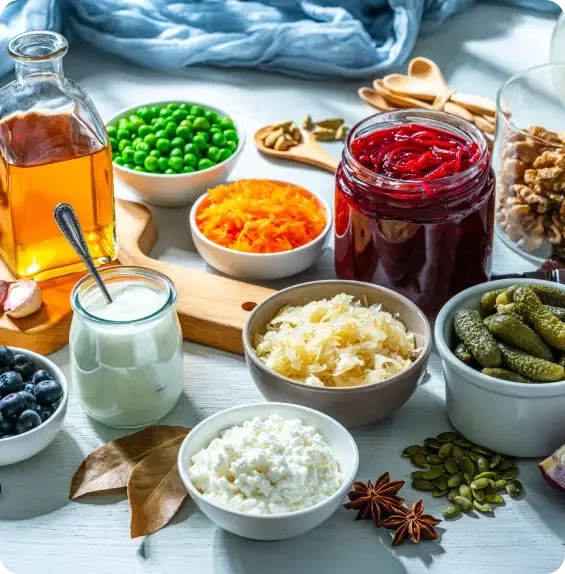
It is usually made by combining shredded cabbage with salt and allowing fermentation to develop under controlled conditions. Some makers keep sauerkraut very simple, while others add ingredients such as caraway, juniper, apple, beetroot, carrot, garlic, chilli or herbs.
Sauerkraut can vary in texture and flavour. Some is finely shredded and sharp. Some is chunkier and milder. Some is sold chilled as a live product. Some may be pasteurised or made shelf stable depending on the producer and process.
A good sauerkraut listing should explain the ingredients, storage guidance, whether the product is chilled or shelf stable, and whether it is ready to eat or best used as an ingredient.
Kimchi is a broad family of fermented vegetable products, often associated with Korean food traditions.
Many people think of cabbage kimchi with chilli, garlic, ginger and other seasonings, but kimchi can vary widely. It may include cabbage, radish, carrot, spring onion, chilli, garlic, ginger, fish sauce, seafood ingredients, soy based ingredients or other flavourings depending on the recipe.
That variety makes clear labelling essential.
Customers should be able to see whether the kimchi is spicy or mild, vegan or not, chilled or shelf stable, live or pasteurised, and whether it contains allergens such as fish, crustaceans, molluscs, sesame, soya or gluten containing ingredients.
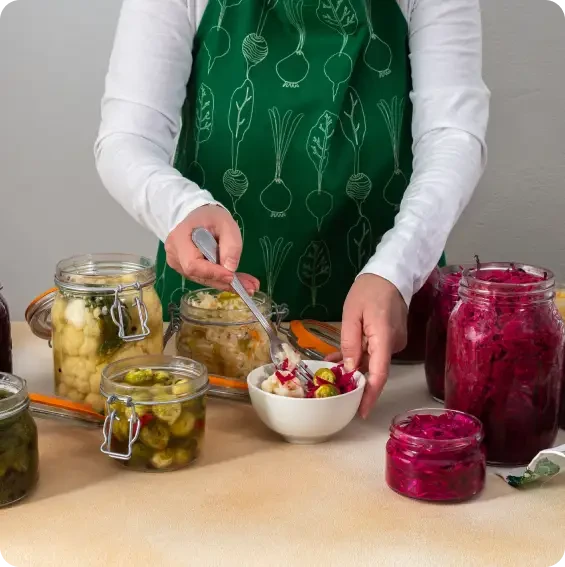
Pickles can mean different things.
Some pickles are fermented. Others are preserved in vinegar, brine, sugar, spices or heat treated liquids. This is why customers should not assume that every pickle is a fermented food.
Pickles may include cucumbers, onions, beetroot, carrots, cauliflower, chillies, radishes, mixed vegetables, fruit or relishes. Some are sweet. Some are sharp. Some are spicy. Some are crunchy. Some are soft and chutney like.
A good pickle listing should make the method clear. Is it fermented? Is it vinegar pickled? Is it shelf stable? Does it need refrigeration after opening? What ingredients and allergens are present?
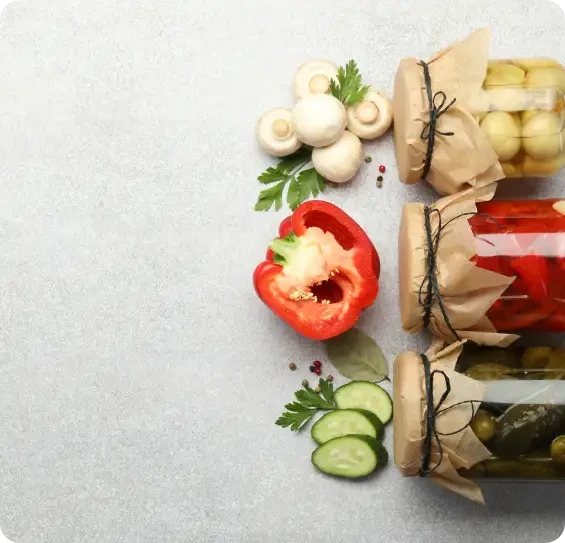
This is one of the most important distinctions on the page.
ermented vegetables are usually preserved through a controlled fermentation process involving salt, time and naturally occurring or introduced microorganisms. Vinegar pickled vegetables are preserved using vinegar or an acidic pickling liquid.
Both can be excellent foods. One is not automatically better than the other. They are simply different products with different processes, flavours and storage needs.
Usually made through controlled fermentation with salt, time and suitable conditions. May be chilled or shelf stable depending on the process.
Preserved in vinegar or acidic liquid. Often sharp, bright and shelf stable until opened depending on the product and process.
Always check the maker’s product information. The label should explain ingredients, storage and whether refrigeration is needed.
Kimchi, sauerkraut and pickles may be sold in different forms.
A live product may be sold chilled and may continue to change slowly over time. A pasteurised product may be heat treated for stability. A chilled product should be stored in the fridge according to supplier guidance. A shelf stable product may be stored at room temperature until opened, depending on the process and label instructions.
Customers do not need to become food technologists, but they do need clear instructions.
A good supplier should explain how to store the product before opening, how to store it after opening, how quickly to use it and whether the product is ready to eat.
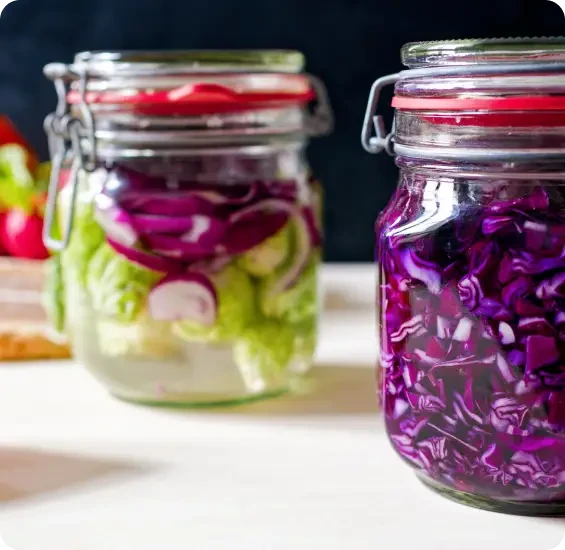
Before buying kimchi, sauerkraut or pickles, check the product details carefully.
Look for the product name, maker name, ingredients, allergens, storage instructions, whether the product is fermented or vinegar pickled, whether it is live or pasteurised, whether it is chilled or shelf stable, spice level, flavour notes, use by or best before information, and whether the product is suitable for your intended use.
This is especially important when buying online or through a farm shop, where products from several makers may sit together.
Good product information makes the difference between curiosity and confidence.
Local buying can make these products easier to understand.
Farm shops, farmers markets, delis, veg box schemes and independent food shops often give customers a better chance to ask questions. A maker may explain which products are spicy, which are mild, which need chilling, which are best with hot food and which work well as a condiment.
Local buying also helps customers discover smaller makers who may not be widely distributed.
Online buying can be useful when local supply is limited.
A good online product page should explain exactly what is being sold. Customers should know whether the product is chilled or shelf stable, how delivery works, whether the product needs refrigeration on arrival, what ingredients are used, what allergens are present, and who to contact if there is a problem.
Chilled live products may need more careful delivery information than shelf stable pickles or preserves.
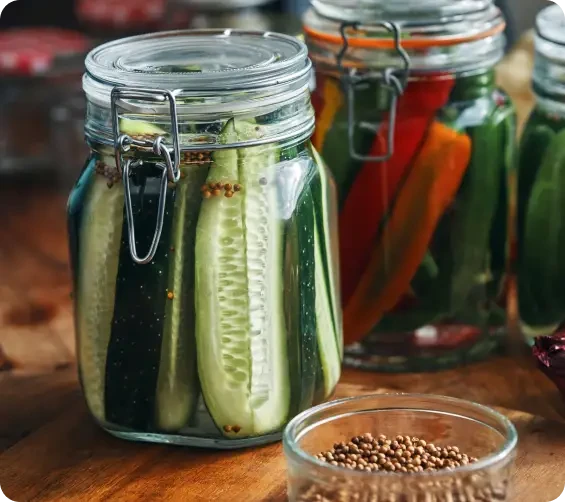
Farm shops can be a strong route for local fermented and preserved foods.
A farm shop may stock sauerkraut made from British cabbage, kimchi from a local maker, pickles made with seasonal vegetables, fermented chilli sauces, chutneys, relishes or cultured condiments.
The strongest farm shop displays name the maker, explain the product, show whether it needs chilling and help customers understand how to use it.
Farm shop fermented foods work best when the maker story is visible.
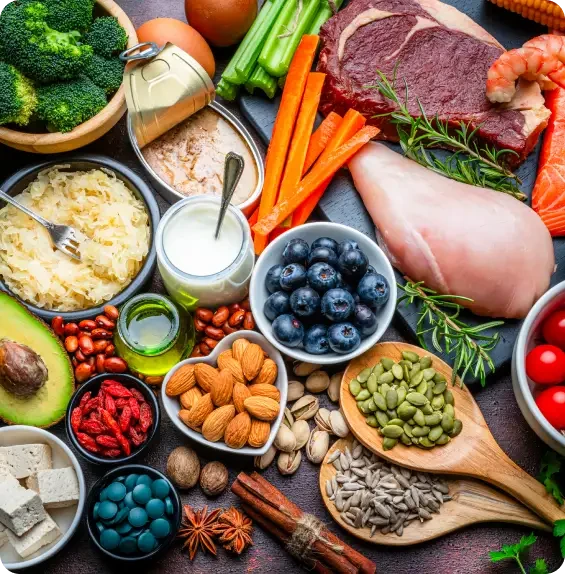
Farmers markets are especially useful for products that need explanation.
Customers can speak directly with makers, ask what is fermented, what is pickled, what is spicy, what is mild, what needs refrigeration and what works with different meals.
This conversation matters because many people are curious about kimchi, sauerkraut and pickles but are unsure where to start.
A market stall can turn an unfamiliar jar into an easy purchase.
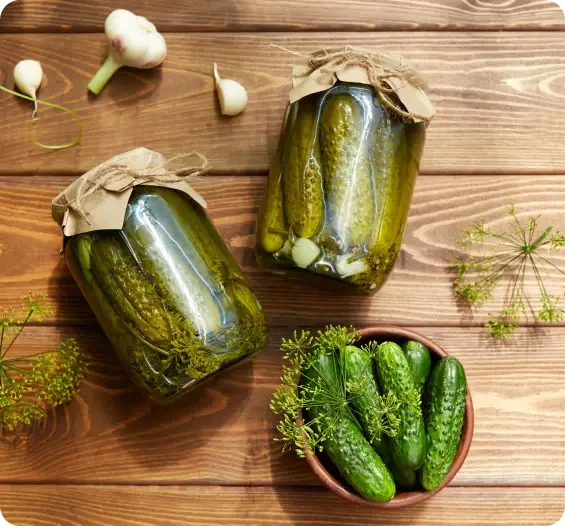
These products often begin with vegetables.
Cabbage, carrots, cucumbers, beetroot, radishes, onions, chillies, garlic and herbs can all become part of fermented or pickled products when handled safely by professional makers.
This creates a valuable link between vegetable growers and fermented food makers. A grower may supply seasonal produce to a maker. A farm shop may sell fresh vegetables alongside preserved products. A customer may discover a local growing route through the ingredients in a jar.
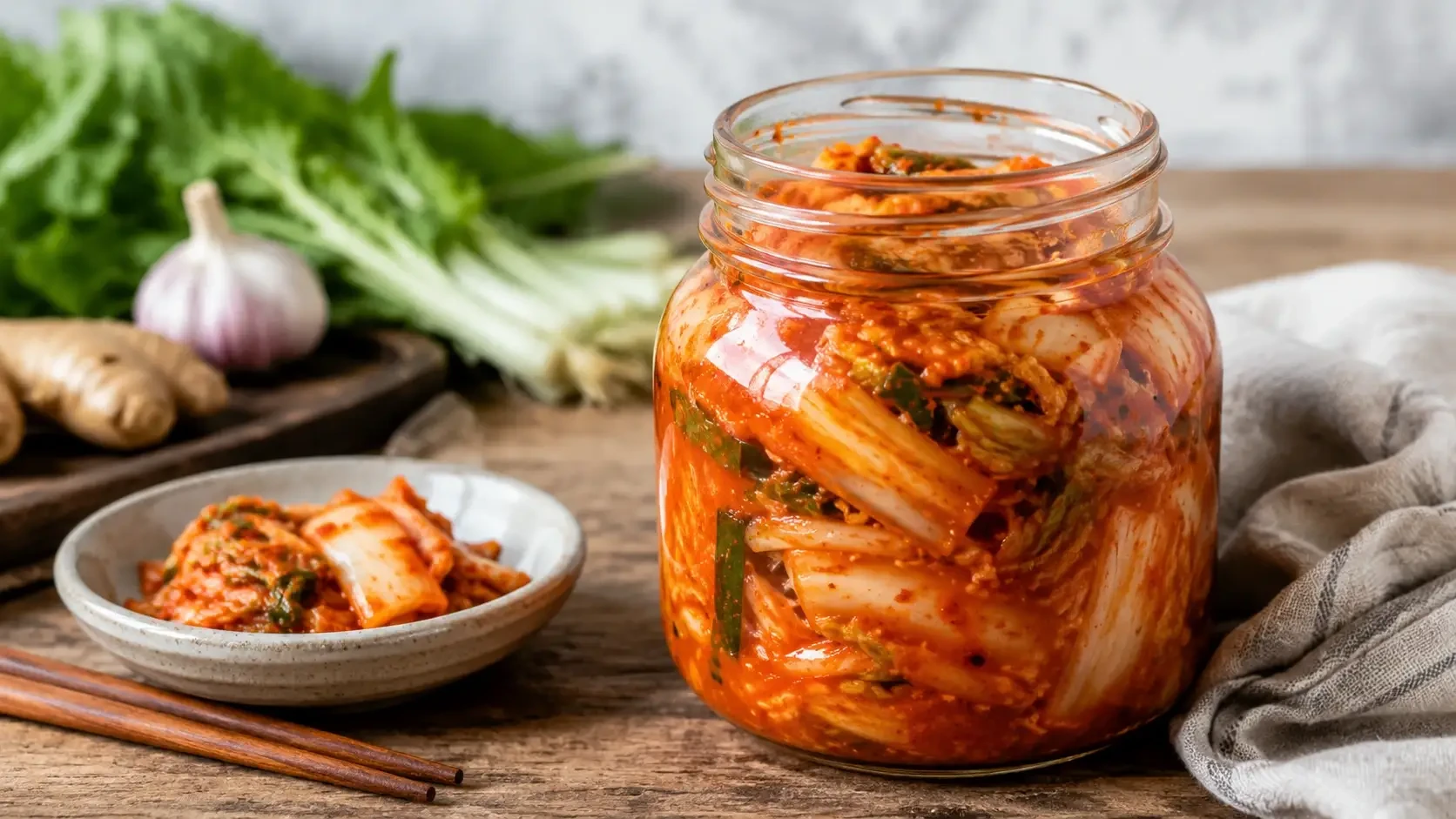
Restaurants, cafés, pubs, hotels and caterers may use kimchi, sauerkraut and pickles because they bring acidity, texture and contrast to dishes.
A chef may use kimchi in rice bowls, sauerkraut in sandwiches, pickles on burgers, fermented chillies in sauces, or mixed preserved vegetables on small plates.
For hospitality buyers, consistency matters. They need to know flavour profile, storage requirements, ingredients, allergens, order size, delivery, invoicing and whether the maker can provide regular supply.
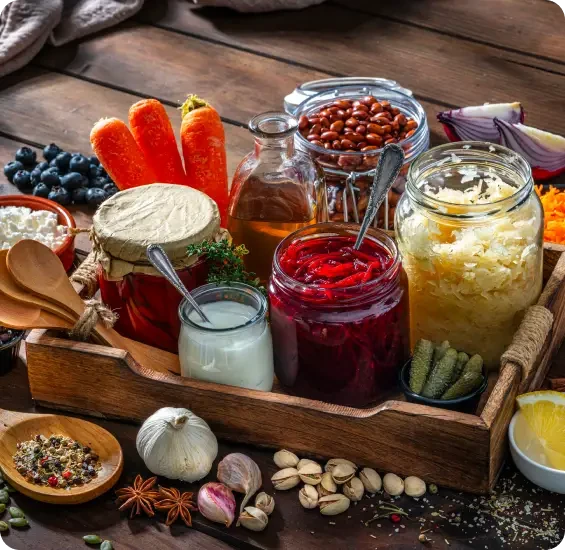
Kimchi, sauerkraut and pickles need correct production, storage and labelling.
Customers should follow the maker’s instructions. Some products need refrigeration before opening. Some need refrigeration after opening. Some may be shelf stable until opened. Some may continue fermenting slowly if live and chilled.
Prepared products may contain ingredients that customers need to know about, including garlic, chilli, fish sauce, soy, sesame, mustard, dairy, gluten containing ingredients or other allergens depending on the recipe.
Fermented and Pickled Food Note:
Always check whether kimchi, sauerkraut or pickles are fermented, vinegar pickled, chilled, shelf stable, live or pasteurised. Follow supplier storage guidance and check ingredient and allergen information before buying.
BFFD is being built to make local food discovery clearer.
For kimchi, sauerkraut and pickles, BFFD can help users find fermented food makers, farm shops, farmers markets, delis, independent retailers, veg box suppliers, online ordering routes, local delivery, collection, restaurant supply and specialist preserved food products.
For shoppers, this reduces guesswork. For makers, it creates another route into local visibility.
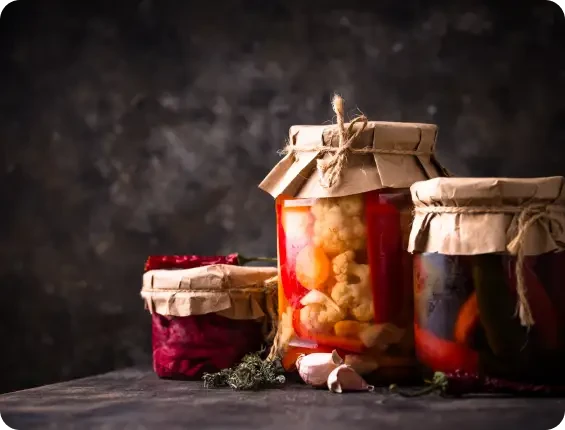
If you make kimchi, sauerkraut, pickles or preserved vegetables, your product information needs to be clear and practical.
A strong BFFD profile can show the business name, location, product range, ingredients, storage guidance, chilled or shelf stable products, online ordering, local delivery, collection, farm shop stockists, farmers market attendance, restaurant supply, photos, website links, social links, contact details and update date.
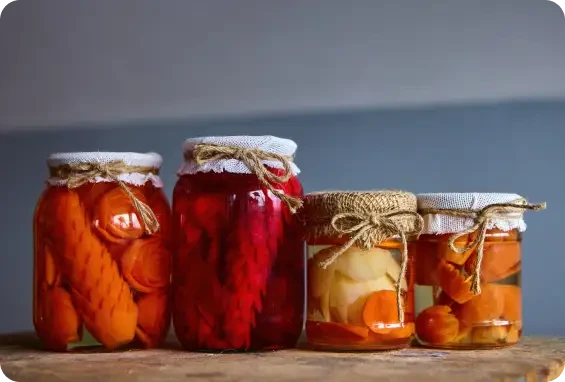
List your fermented food business, farm shop supply route, market stall or preserved vegetable products on BFFD and help people find your products by location, flavour and buying route.
Some are fermented. Others are vinegar pickled. Check the maker’s description.
Kimchi varies by maker, vegetable, seasoning, spice level and ingredient choice.
Some sauerkraut is sold chilled and live. Other products may be pasteurised or shelf stable.
Ingredients, allergens, salt, spice, and storage vary. Always check the label.
BFFD provides supplier information, but always check food safety and storage guidance.
Use this for food business setup and safe food operation context.
Use this for allergen responsibilities and customer information.
Use this for official food hygiene and safe food handling context.
Use this for hygiene rating checks and public trust.
Use this if the cheese society serves or sells alcohol at events.
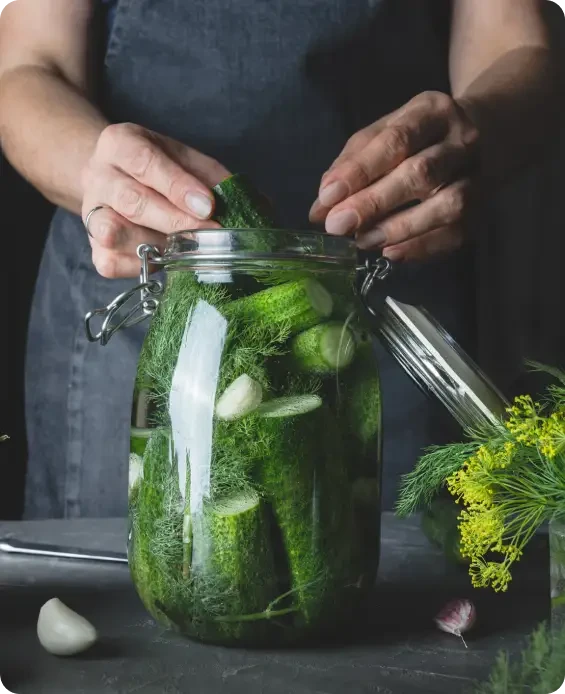
*External sources are provided for further reading. BFFD does not provide food safety, legal, trading standards, allergen, dairy hygiene, delivery, labelling or business advice. Fermented food producers and food businesses should always follow current official guidance and seek professional advice where required.
Related Fermented Food Pages
Fermented and preserved foods should be easier to trace back to real makers, growers, farm shops and markets. BFFD is being built to help people discover fermented food makers with clearer links between product, place and trust.
Want to get food independence, support your local grower, get better prices and shop more privately?
Local food isn’t just something you find. It’s something you protect. A free account helps keep local supply visible, supported, and resilient.

….it takes 30 seconds for food lovers and 5 minutes for suppliers
We built this for people who care where their food comes from. For people who want to remain food secure. For Farmers to get to the local people, who deserve a better income and to deliver a better price for you. For the environmentally conscious and the privacy-conscious. An account simply helps us make the map and supplier reach more useful to you, without changing how open it is. You’re always in control.


Find local food. Stay connected to it. Create a free account to support local producers and be part of a growing food network.